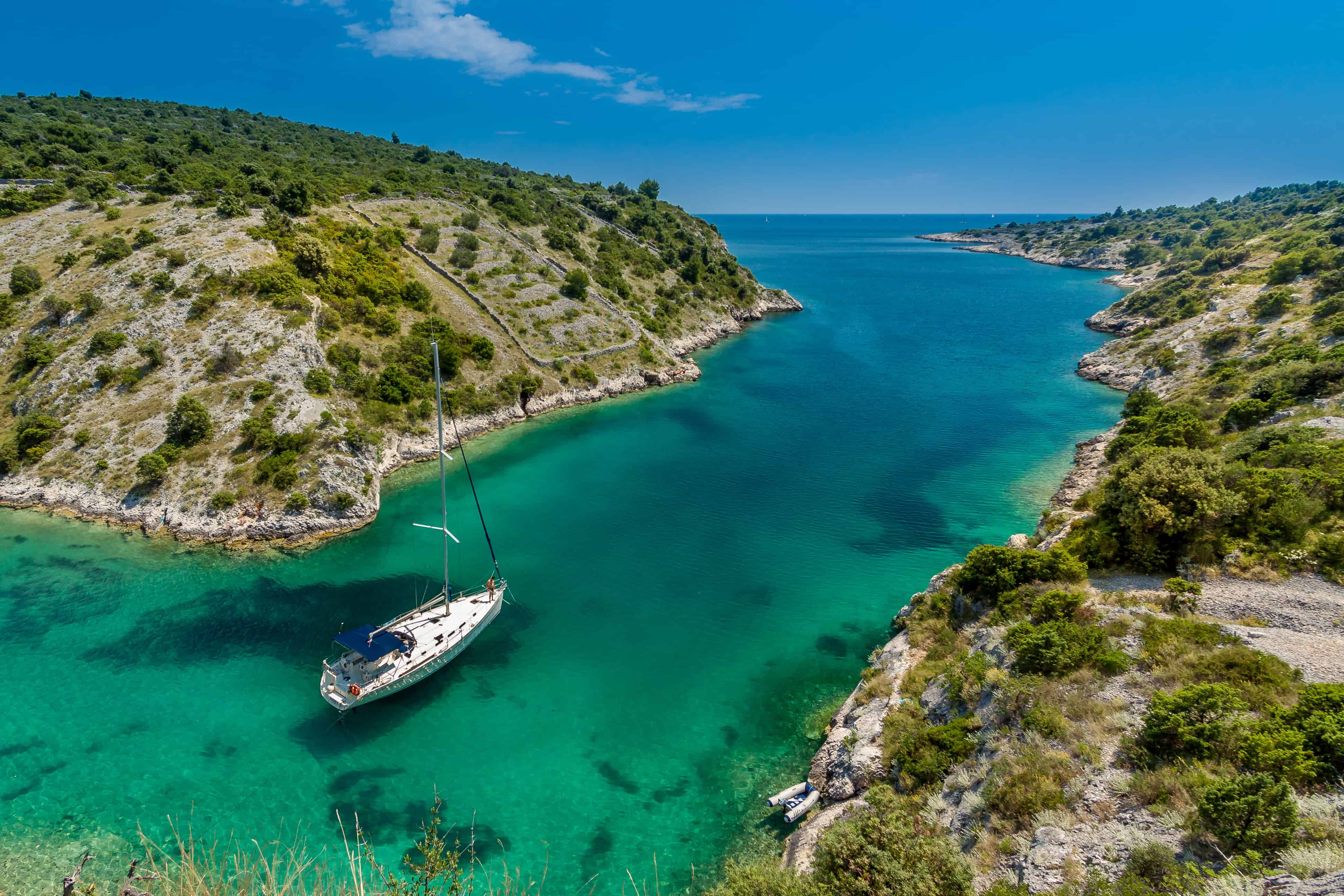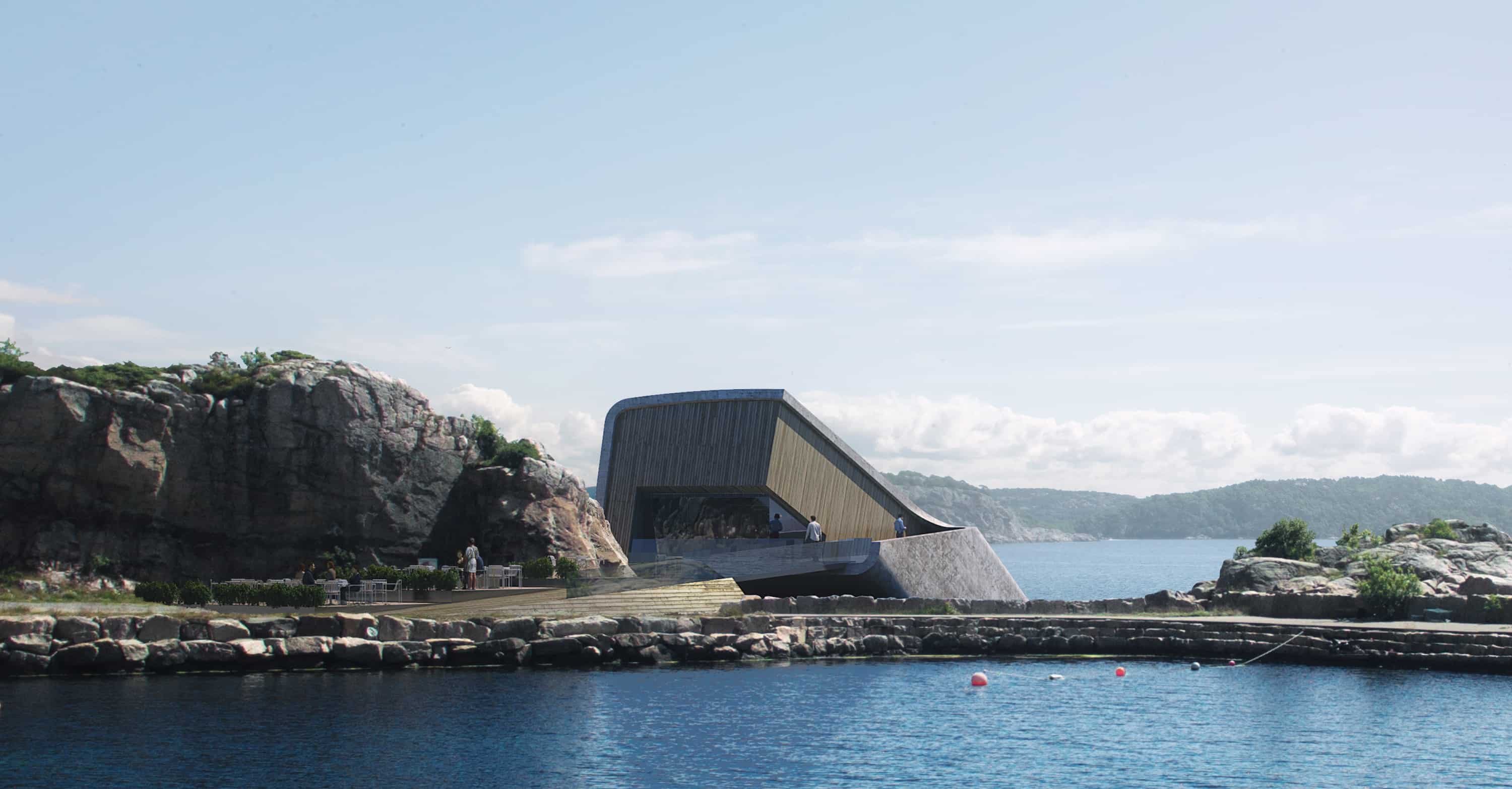
The best surf trips are rarely the ones with the best waves. They are the ones where the waves suited you. A beginner who books a week on a heavy reef will spend most of it on the beach, watching. An intermediate who goes somewhere flat in the wrong month will spend it in a beach bar, which is pleasant but not the point.
So this guide is built around two questions: where in the world suits your level, and when does it actually work? We have pulled together DailyStoke’s older destination pieces, checked which hotels and schools are still operating, and where we could not confirm a business, we describe the area instead.
Before you go, sort out mobile data. Forecast apps, tide tables and maps are no use without a signal, and an eSIM for travel is usually cheaper than roaming.
How to choose a surf trip
Three things matter more than the destination’s reputation.
Your level. Beginners need sand-bottom beach breaks with soft, rolling waves and a school on hand. Intermediates can start looking at point breaks and gentler reefs. Reef passes and heavy shore breaks are for experienced surfers only.
The season. Almost every surf coast has a window when swell, wind and water temperature line up. Outside it, you may still surf, but the odds drop.
Getting your board there. Airlines treat surfboards differently, and board fees can add a surprising amount to a cheap flight. Check the policy before booking, or plan to rent locally. Our sailing and surf gear guide covers board bags and packing a board for the hold.
Europe: surf trips close to home
Cornwall, Devon and the British coast
You do not need a passport for good surf. Cornwall’s north coast, with Newquay at its heart, is Britain’s best-known surf region, and North Devon, the Gower in Wales and the west coast of Ireland all have loyal followings. Surf schools are everywhere in summer, which makes the UK an easy, low-cost place to learn.
The catch is consistency. Summer often brings small, gentle waves that suit beginners well, while autumn is when many locals think the coast is at its best, with more swell and water that has had all summer to warm up. Winter brings the biggest surf and the thickest wetsuits. Whatever the month, a good wetsuit, boots in the colder half of the year, and a healthy respect for rip currents come with the territory. Surf between the flags at lifeguarded beaches when you are learning.
Portugal, the Canaries and Morocco
Portugal’s Atlantic coast is the obvious next step from Britain. Peniche, whose Supertubos beach has hosted the World Surf League tour, and Ericeira, north of Lisbon, are the two names you will hear most, and both have a good spread of schools and surf camps. Further south, the Canary Islands and Morocco’s Atlantic coast are popular winter escapes for British surfers chasing warmer water when home is grey and cold.
These are classic short-haul surf trips: a few hours on a plane, a surf camp or apartment near the beach, and a fair chance of waves for most of the year outside high summer.
India: Goa for gentle waves and slow days

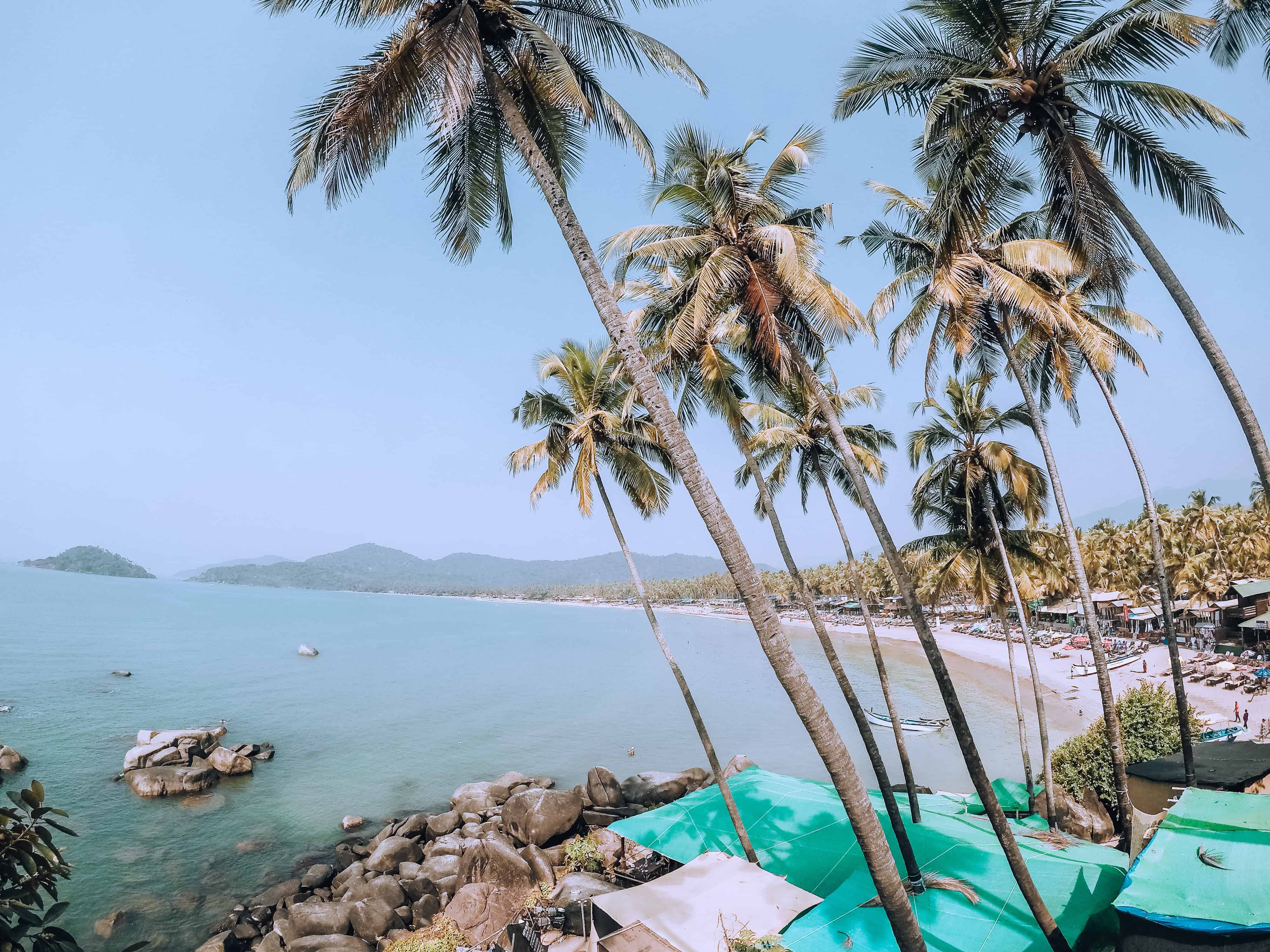
Goa is not a big-wave destination, and that is its charm. India’s best-known holiday state has long, sandy beaches, mellow waves that suit beginners, and a food, yoga and wellness scene that fills the time between sessions. The surf season runs roughly from October to April, outside the monsoon.
The quieter north of the state, around Ashvem, Mandrem and Arambol, is where many surfers base themselves. Two places we have written about before are still taking guests:
Palm Grove Beach Resort, Ashvem. A small resort of 19 bungalows on Ashvem Beach, between Morjim and Mandrem. Fourteen sit in the garden about 50 steps from the sand, and five seafront bungalows are at Little Palm Grove, a short walk away. It says it is open all year. Mopa International Airport is about 50 minutes away by car, Dabolim about two hours. It is the kind of place you go to surf in the morning, read in the afternoon and do very little else.
Lotus Sutra, Arambol. Wooden cottages and rooms in Khalcha Wada, a few steps from Arambol Beach, with front sea view, side sea view and garden view cottages as well as premium rooms. Arambol is the livelier end of north Goa, with street food and a bohemian, drum-circle crowd at sunset.

Neither publishes room rates on its own website, so contact them direct for prices. Mandrem, between the two, has a stretch of quieter beach with a string of small resorts and beach huts, and is worth considering if you want peace and an easy paddle out.
The Pacific: Kiribati and going off the map
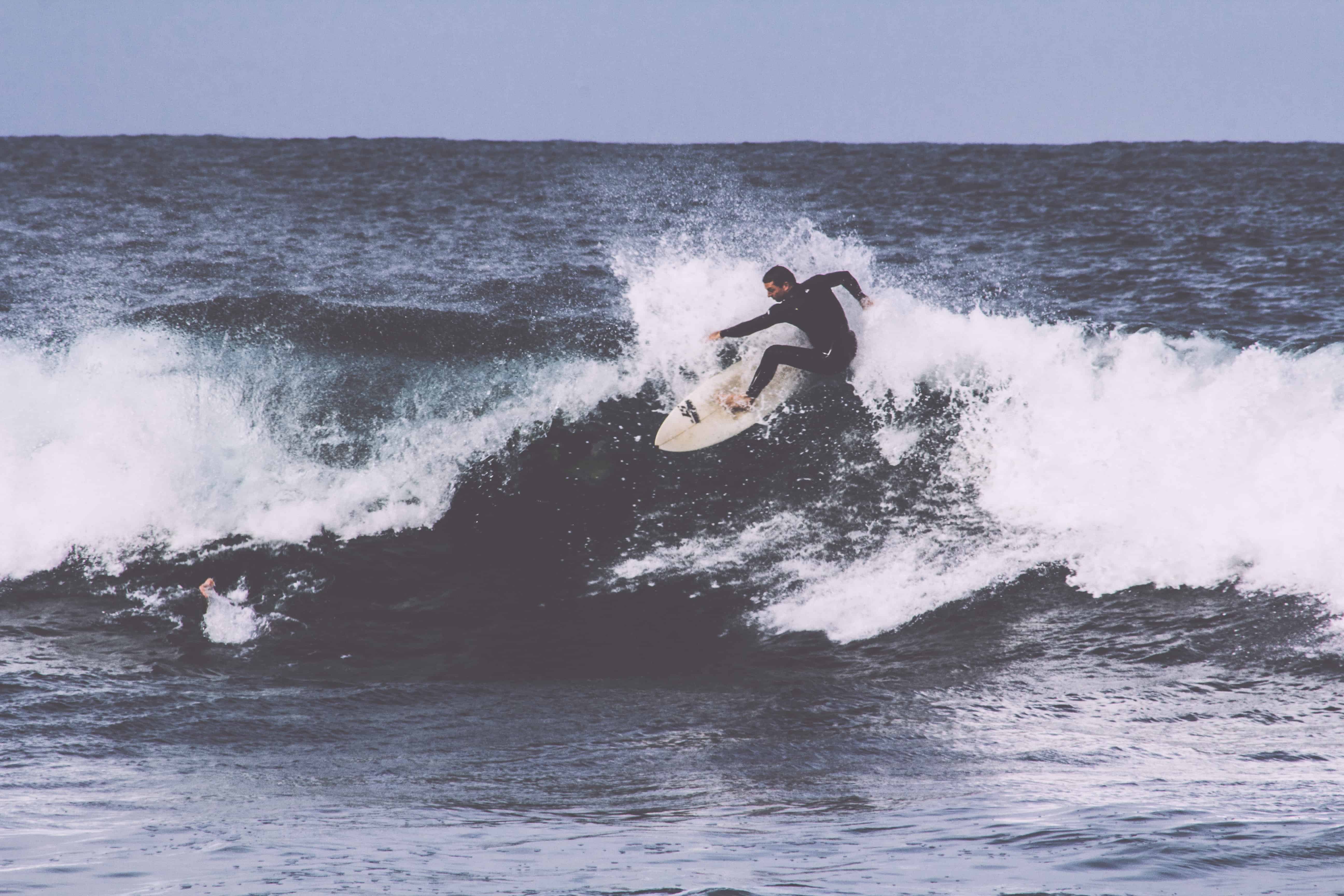
Kiribati is the opposite of Goa: remote, hard to reach, and thrilling if you make it. The country is spread across 33 islands in three groups, exposed to swell from both the North and South Pacific, and many of those islands have rideable surf.
The Kiribati Surf Association, based in Betio on South Tarawa, works to bring surfing to local people, especially children, and is reviving karibaba, the traditional form of board riding. It welcomes visiting surfers and people moving to Tarawa, and suggests getting in touch before you travel and bringing your own board.
DailyStoke’s earlier reporting picked out a handful of areas:
- Tarawa, the capital, with breaks in both North and South Tarawa.
- The outer islands, such as Marakei, where the KSA hopes to set up a clubhouse and accommodation. Getting boards there can mean arranging a boat, as flights carry limited luggage.
- Kiritimati (Christmas Island), with a five-kilometre stretch of points, reefs and channels and a season from roughly October to March.
- Tabuaeran (Fanning Island), where English Harbour in the south and Whalers Anchorage in the north work in different seasons.
This is reef surfing in one of the most isolated places on earth. Medical help is a long way away, so it suits experienced surfers who are comfortable with shallow water, and it is worth contacting the KSA before planning anything in detail.
California: the Pacific coast classic

California has surf for every level, but the water is colder than the postcards suggest, especially further north. Expect to wear a thick wetsuit on the Central Coast for most of the year.
Monterey and the Central Coast
Around Monterey Bay, Big Surf Lessons & Adventures runs lessons from the Monterey and Pacific Grove area. Its website lists a private lesson for one person at $175, private groups of two to four from $99 a person, groups of five or more at $90 a person, and a “join a group” option at $99. It also runs summer surf camps, same-day lessons and corporate sessions.
The Central Coast is beautiful, foggy and wild. The drive down Highway 1 through Big Sur is one of the great road trips, but much of that stretch of coast is rocky cliff rather than learner beach, so book lessons where the school is based rather than turning up at a random pull-off.
Los Angeles and Orange County
Further south, the water warms up and the crowds grow. In the Pacific Palisades, the beaches around where Sunset Boulevard meets the Pacific Coast Highway are popular with locals and visitors, and offer waves for a range of abilities depending on where you paddle out. They get busy at peak times, so go early.
For a structured lesson in Southern California, our guide to surf lessons in Dana Point covers one of Orange County’s friendliest spots.
Florida and the US East Coast

Florida’s Atlantic coast is warm-water, small-wave surfing, ideal for learners. Space Coast towns such as Cocoa Beach and Melbourne Beach have long been the centre of it.
One update for anyone who read our older piece: Surfguys Surf no longer teaches at Melbourne Beach and now offers lessons in the Cocoa Beach and Cape Canaveral area. It runs private, semi-private and group lessons, plus youth lessons for children aged six and over. Rates are on its website or by phone on 321-956-3268.
Further down the coast, we have a full guide to surf lessons in Vero Beach, and our round-up of the best East Coast surf destinations covers the Atlantic seaboard from Florida northwards. In North Carolina, South End Surf Shop in Wrightsville Beach still offers surf and SUP lessons alongside board sales and rentals.
Central America and the Caribbean
Central America is where many surfers take their first long-haul trip, thanks to warm water, plenty of schools and waves for every level along the Pacific coasts of Costa Rica, Nicaragua and their neighbours. Our Central America surfing guide goes country by country.
The Caribbean is more hit and miss, as many islands are sheltered from big swell for much of the year, but it does have surf in the right season. We have dedicated guides to surfing in Antigua, Aruba, the Bahamas, Curaçao and the Dominican Republic.
Australia, Asia and the Middle East

Australia needs little introduction, and our Australia surfing guide covers the beaches, schools and places to stay. Surfing there comes with company, too. Drone footage filmed off Western Australia once showed a humpback whale gliding between dolphins and surfers, apparently entirely at ease. Humpbacks are generally regarded as gentle unless provoked, but give any whale a wide berth.
In Asia, the Philippines has quieter options well away from the crowds, including El Nido on Palawan. For something completely different, the Red Sea and the Gulf have small but surprisingly active surf scenes, covered in our guides to Egypt, Eilat and Dubai.
And if the ocean is not cooperating, the new generation of wave pools offers guaranteed surf. Our piece on wave pool life explains how artificial surfing has changed.
Surf trip checklist
- Travel insurance that covers surfing. Many standard policies exclude it or limit cover. Check the small print, including board cover.
- The right wetsuit. Thickness depends on water temperature, not air temperature. A warm-water trip may need only a rash vest; Cornwall in spring needs a thick winter suit.
- Reef-safe sun protection. Sunburn ends trips. So does reef rash, so pack a first aid kit with antiseptic.
- Spare fins, fin key, leash and wax. They are cheap to carry and annoyingly hard to find in remote places.
- A local forecast app and data. Swell, wind and tides decide your day. An eSIM keeps you connected without roaming fees.
- Respect for local etiquette. Do not drop in, give way to the surfer closest to the peak, and be friendly in the line-up. Every surf trip is better when the locals are pleased to see you.
Frequently asked questions
Where is the best place for a first surf trip from the UK?
Cornwall is the easiest, with no flight and plenty of schools. For warmer water, Portugal, the Canary Islands and Morocco are all a short flight away and have well-established surf camps for beginners.
When is surf season in Goa?
Roughly October to April. The monsoon brings rough, stormy seas through the middle of the year, and many beach businesses close or slow down.
Is Goa good for beginner surfers?
Yes. Its waves are generally small and gentle, and the long sandy beaches are forgiving places to learn. Experienced surfers may find it too small most of the time.
Can you surf in Kiribati?
Yes, but it is for experienced surfers. Most waves break over shallow reef, the islands are very remote, and medical help is limited. The Kiribati Surf Association welcomes visitors and is the best first contact.
How much do surf lessons cost in California?
It varies by school and group size. Big Surf Lessons & Adventures in the Monterey area lists private lessons at $175, with group lessons from $90 to $99 a person.
Is the water cold for surfing in California?
Colder than many people expect, particularly north of Los Angeles. A full wetsuit is normal on the Central Coast for most of the year.
Can I take my surfboard on a plane?
Usually, yes, but airline rules and fees vary widely, and some limit the size or number of boards. Check before booking, and pack the board in a padded travel bag with the fins removed.
What should I pack for a surf trip?
A wetsuit or rash vest suited to the water temperature, a leash, wax, spare fins and a fin key, sun protection, a first aid kit and surf-specific travel insurance. A travel eSIM is handy for forecasts and maps.
Do I need travel insurance that covers surfing?
You should have it. Some standard travel policies exclude surfing or limit cover for boards, so check the policy wording before you go.
Are wave pools a good alternative to a surf trip?
For practice, yes. They offer consistent, predictable waves, which helps beginners progress quickly. They are not a substitute for learning to read the ocean, though.