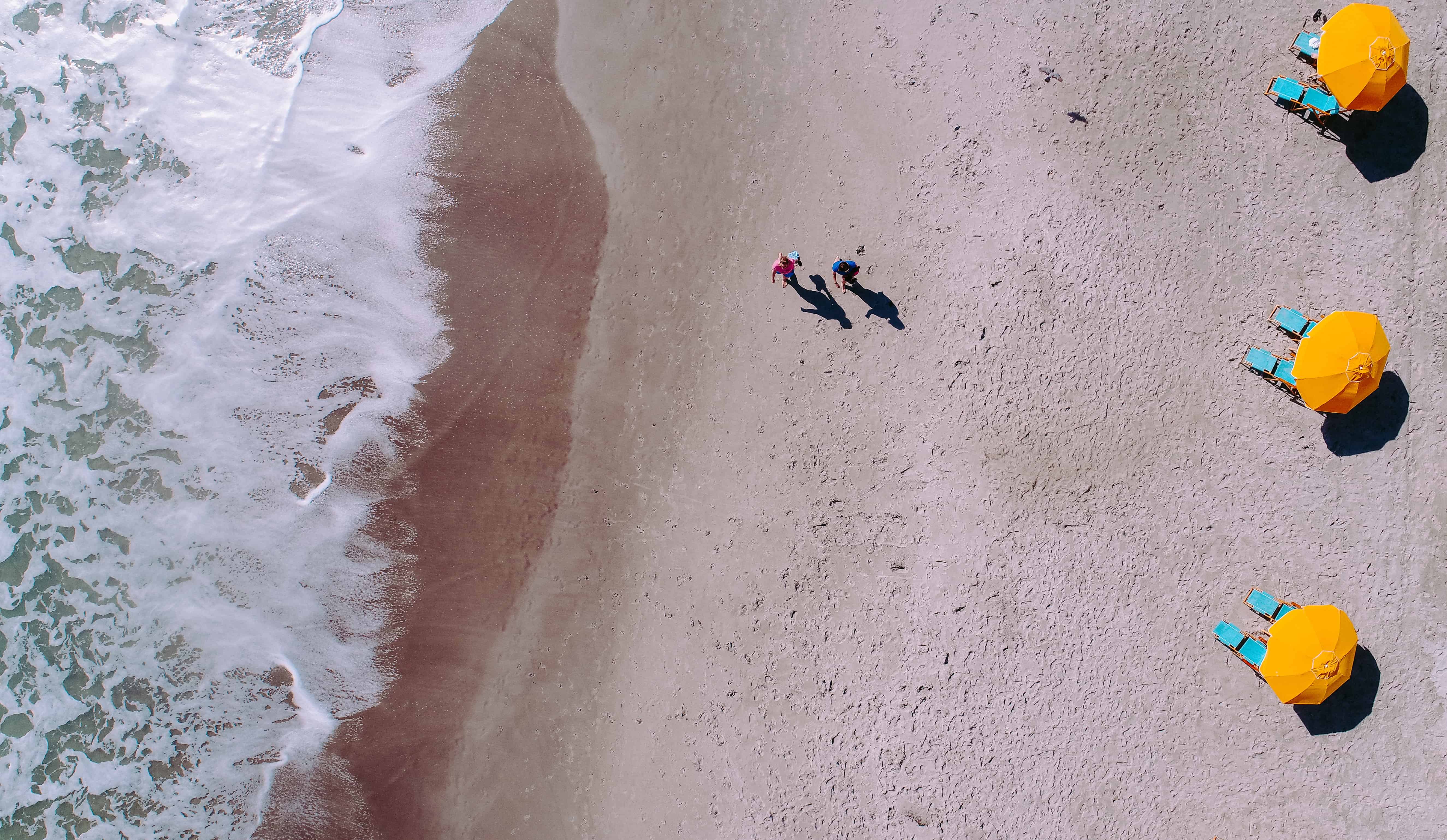
I used to think the Atlantic was just a flat swimming pool until a hurricane off the Bahamas sent clean, overhead lines peeling down a stretch of North Carolina sandbar that looked entirely empty on the map. That morning completely ruined any preconceptions I had about East Coast surfing.
If you’re still buying into the myth that the Eastern seaboard is just knee-high summer wind chop, you’re missing out on some genuinely heavy, world-class waves. Here are five spots worth packing a board bag for, along with a few notes on when to actually show up and what to expect.
The Outer Banks, North Carolina
You can’t talk about East Coast surf without starting in the OBX. These thin barrier islands jut miles out into the Atlantic like a giant magnet for ocean energy, catching everything the sea throws at them. Some days it’s a mellow, rolling runner from Nags Head down past Cape Hatteras, but when a solid nor’easter starts howling between September and November, it transforms into a shifting maze of thick, terrifying tubes that will test your nerve. Just be ready to swap your boardshorts for a full 4/3 wetsuit if you’re hitting the winter juice.
Sebastian Inlet, Florida
If you want proper Florida performance surfing, skip the summer months when the Atlantic turns into a diabolically flat, glassy lake governed by the Bermuda High. Instead, aim for late fall through early spring—that’s when passing cold fronts and winter northeast swells deliver the goods. Wedged between Indian River and Brevard counties, “First Peak” at Sebastian Inlet is legendary for a reason. When a northeast swell wraps in, it jacks up into a fast, punchy wave over the reef that has groomed generations of pros. Just be ready to share the lineup with a fiercely local crew who know every inch of the break.
Montauk (Ditch Plains), New York
Out at the very tip of Long Island, Montauk feels a world away from the city grind, and September and October are your absolute golden window. The summer crowds thin out, the water is still comfortable enough for a 3/2mm, and clean south or east swells roll in from offshore low-pressure systems. Ditch Plains itself is a classic cobblestone and lava-rock point break framed by dramatic clay bluffs. When a clean swell hits, it peels forever, making it a dream for longboarders—though you’ll definitely have to survive the weekend parking lot wars.
Manasquan Inlet, New Jersey
Don’t sleep on the Garden State. While summer brings jammed beaches and small slop, fall and winter turn the Jersey Shore into a heavy-hitting surf zone. Manasquan Inlet is the crown jewel here, producing hollow, fast barrels when a hurricane swell or a winter nor’easter aligns with the jetties. The local crew is tight-knit and fiercely protective of their lineup, and you’ll be earning every wave wrapped in a thick winter suit, but when it turns on, it punches just as hard as anywhere else on the coast.
Narragansett, Rhode Island
New England surfing demands respect, and Rhode Island punches way above its weight class. While winter storms bring massive power down from the North Atlantic, water temps plummet into bone-chilling territory. That’s why autumn is your sweet spot, giving you clean groundswells before the ocean freezes solid. Narragansett Town Beach and the surrounding rocky reefs pick up lines that other states miss entirely. Catch it on a crisp November morning with offshore winds and a dropping tide, and you’ll completely forget you’re anywhere near the densely populated Northeast corridor.
Photo by Annie Spratt