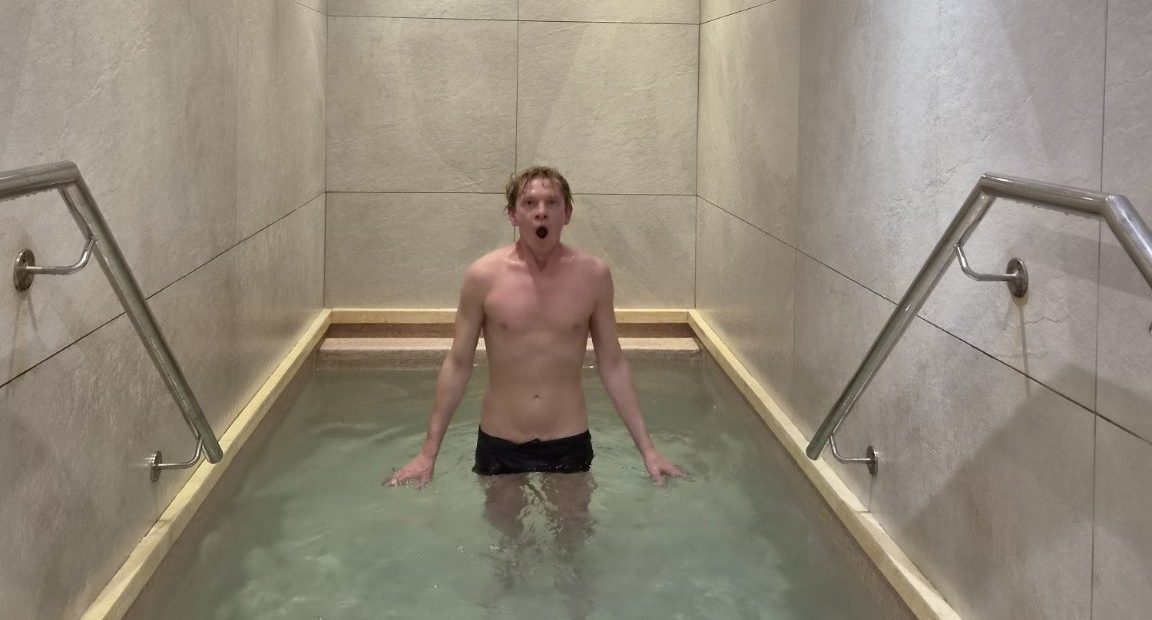
I use the 12°C cold plunge at my gym after the sauna. It feels refreshing, and my Garmin shows some interesting changes in my heart rate. But does cold plunging actually improve recovery, burn fat or make us healthier?
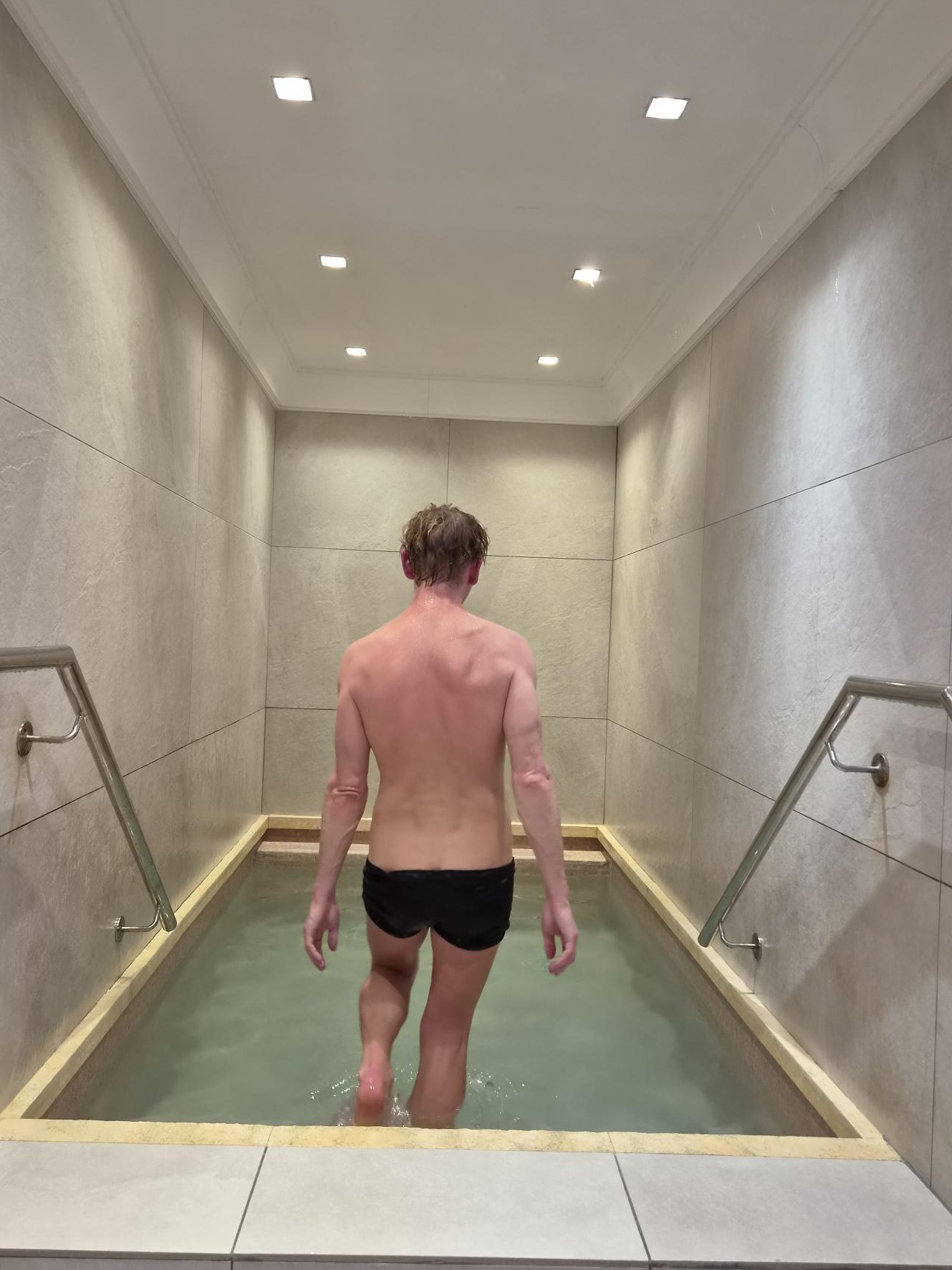
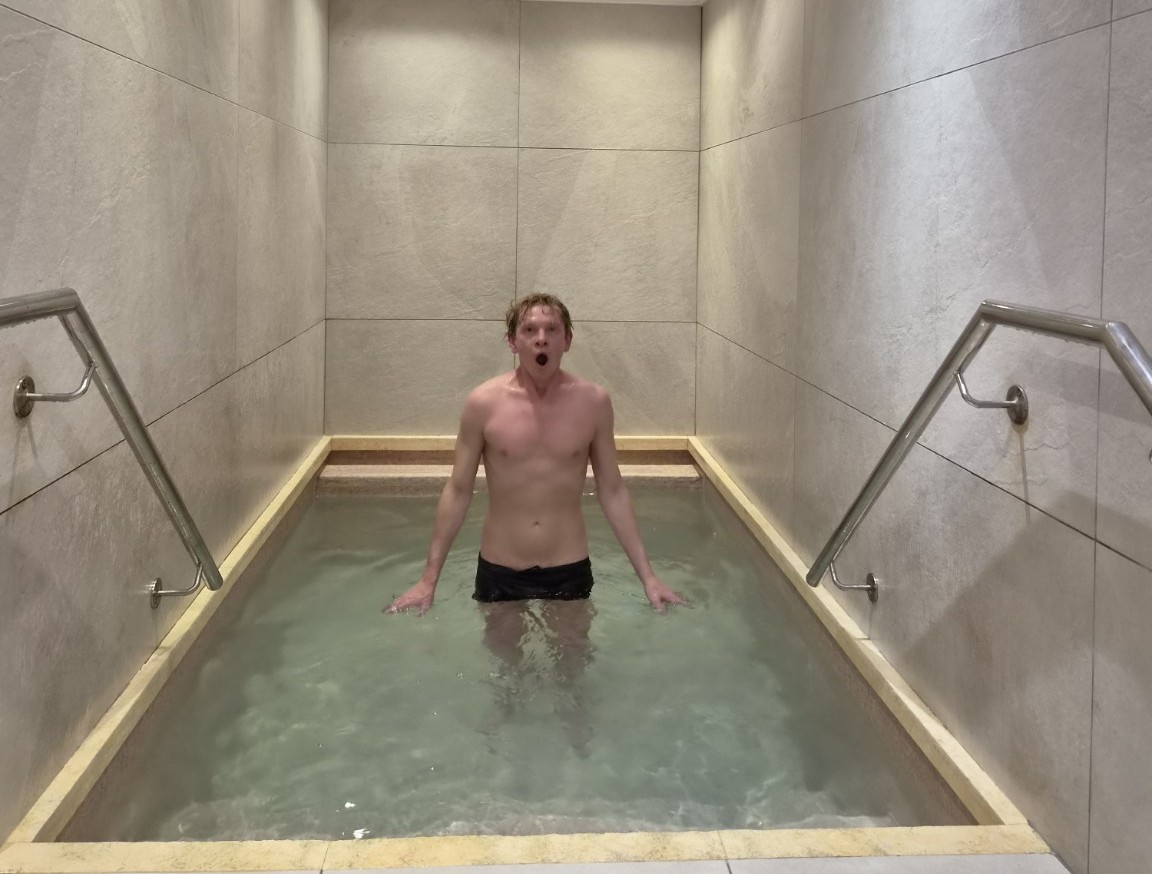
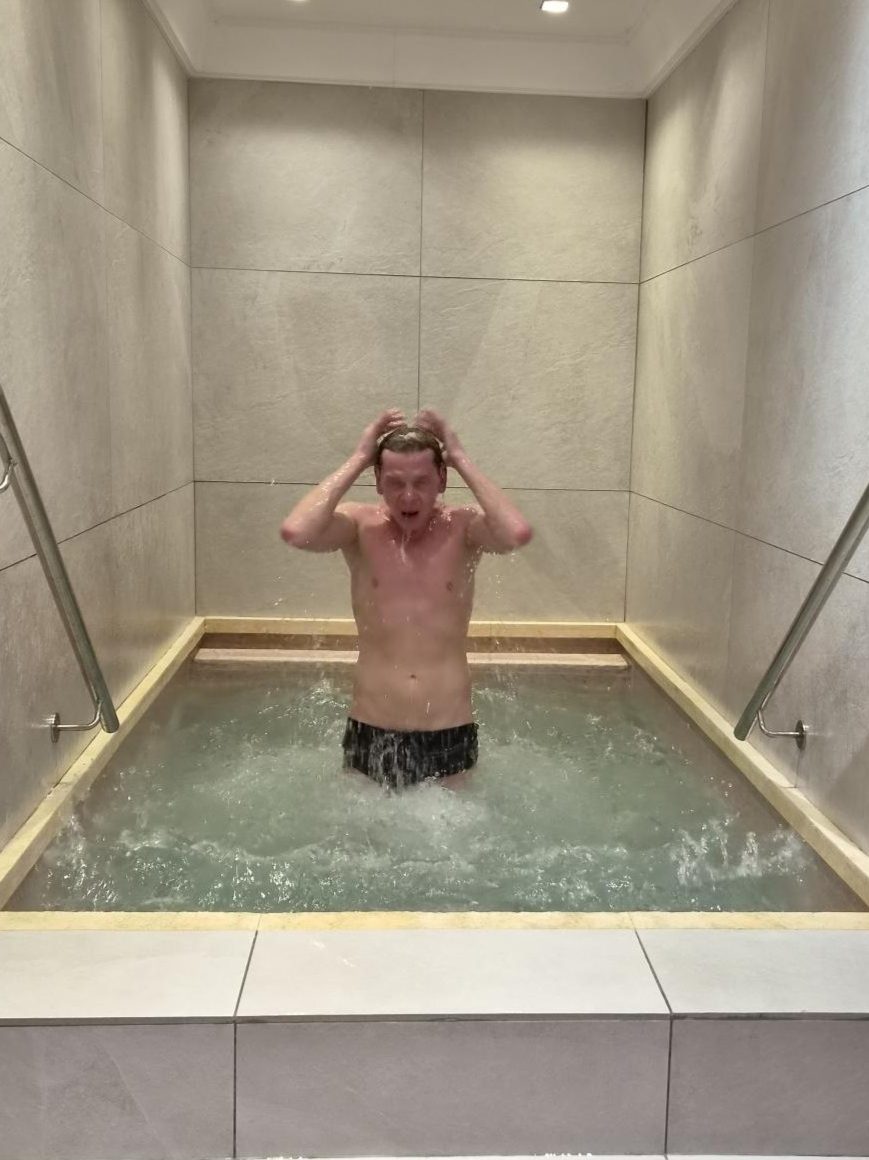
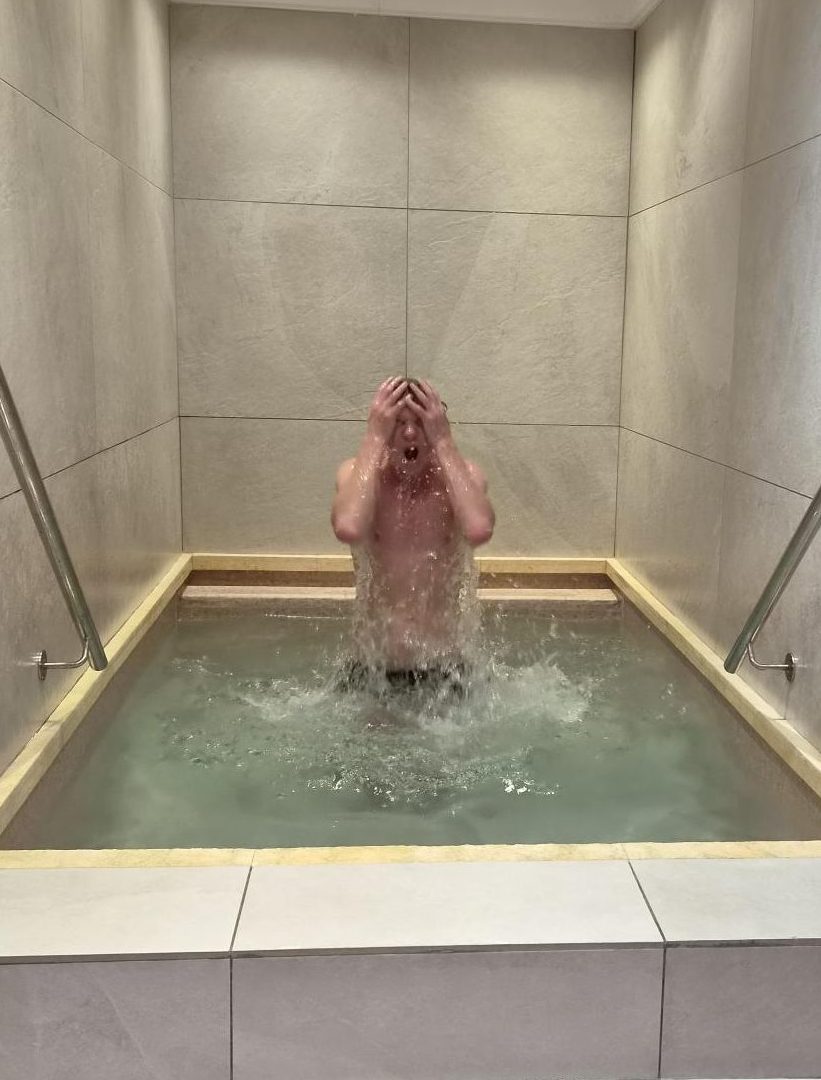
The cold plunge at my gym is around 12°C (54°F). I normally use it after a workout and some time in the dry sauna, although I occasionally use the hammam.
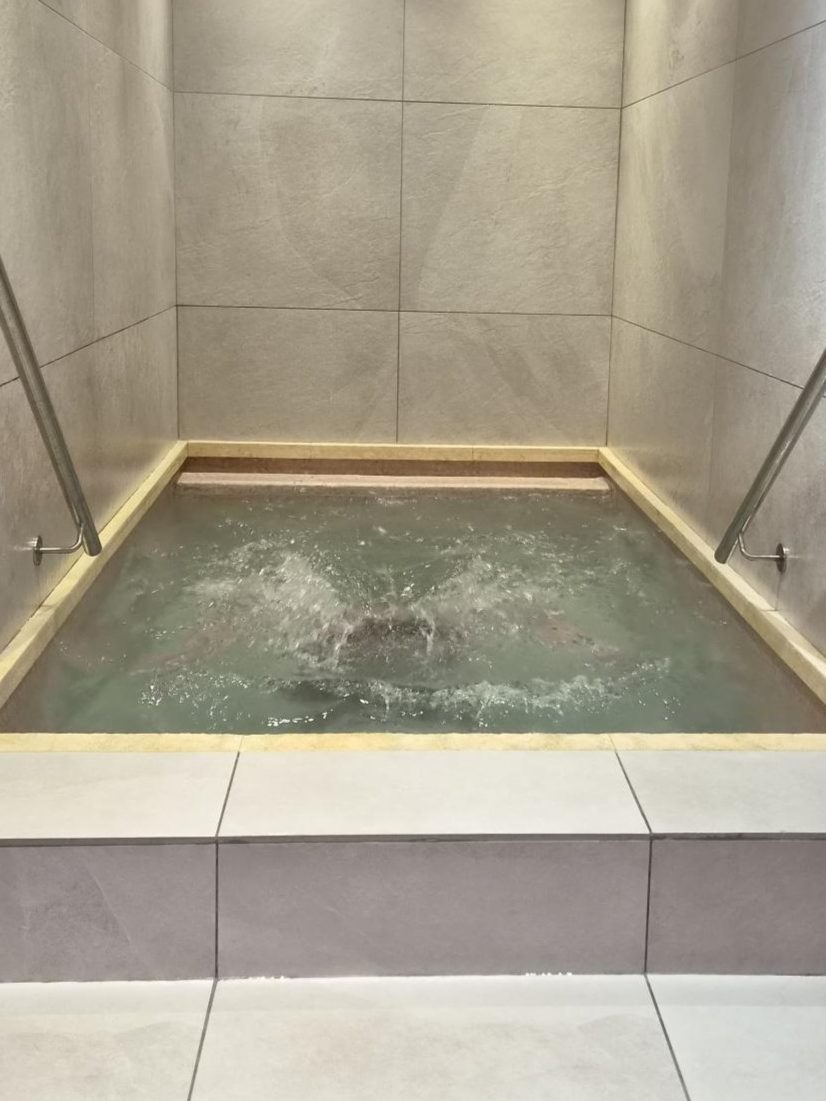
I stay in for about 30 seconds to a minute, get out and usually repeat it once. The first time is quite a shock, but the second feels much easier. Sometimes I finish in the regular swimming pool, which makes the change back to warmer water a little more gradual.
I’ve noticed that some people stay in the cold plunge much longer than I do. Some of the more muscular guys at my gym spend several minutes in the water, then return to the sauna still visibly shaking. It makes me wonder whether they’re getting any additional benefit or simply pushing themselves too far.
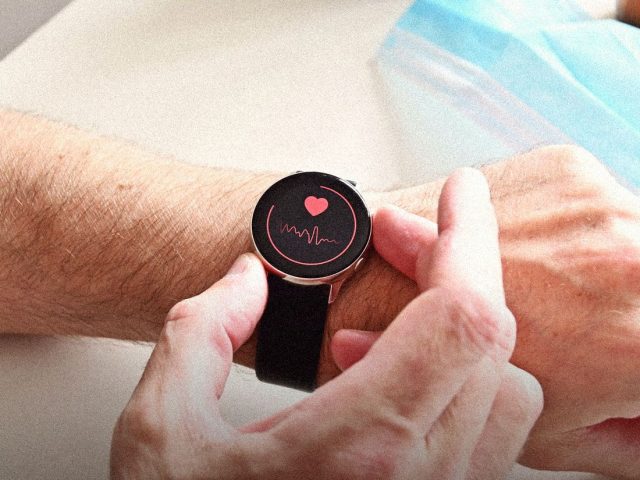
Another thing that caught my attention is my heart rate. My Garmin often shows it dropping from over 100 beats per minute after the sauna to around 70 or below once I’ve been in the cold water for a short while. When I move into the warmer swimming pool, it can climb back toward 90 again.
Mostly, though, I use the plunge because I enjoy it and generally feel a little more recovered after exercising.
But I wanted to understand what the cold is actually doing to my body, whether research supports the benefits, and how long it’s really worth staying in.
Why does cold plunging feel so good?
The first thing you notice is obviously the cold. Your body reacts almost immediately. Blood vessels near the skin narrow to reduce heat loss, breathing may become faster, and blood pressure rises. Your heart rate can also increase initially.
This is known as the cold-shock response, and it’s why jumping into cold water can be more demanding on the body than people expect.
It’s also probably part of what makes the experience so noticeable.
Personally, I particularly enjoy the feeling of moving between hot and cold. In the sauna, blood vessels near the skin widen to release heat. In cold water, they narrow to conserve warmth. I can feel my skin responding to these changes, especially when I warm up again afterwards.
It almost feels like a workout for your blood vessels. However, no convincing evidence shows that repeatedly switching between hot and cold improves circulation long term.
What about mood and energy?
Many people describe feeling more awake, energized or simply happier after a cold plunge.
Cold exposure activates the nervous system and changes the release of stress-related chemicals, including norepinephrine. That may help explain some of the immediate feelings people report.
But whether cold plunging produces lasting mental health improvements is another question.
A 2026 review of 13 studies involving 4,105 participants found promising results for mood, stress, and wellbeing, but the evidence was inconsistent, and many studies had methodological limitations. The researchers couldn’t establish that cold-water exposure reliably improves mental health.
For me, the immediate sensation is enough. I enjoy the experience, especially after a sauna, without needing to believe it treats stress or improves my health in any measurable way.
Why does my heart rate drop in the cold water?
My Garmin regularly shows my pulse dropping from above 100 bpm after the sauna to around 80 or less in the cold water. It doesn’t happen instantly, but the change is fairly quick.
Part of the explanation may simply be that I’m cooling down. Heat increases heart rate because the body needs to move more blood toward the skin to release warmth. As you cool down, some of that demand decreases.
Cold water also constricts blood vessels, which can increase blood pressure. The body may respond by slowing the heart. Being immersed in water also changes how blood returns to the heart.
Several things are happening at once, so cold water doesn’t necessarily produce the same heart-rate response in everyone.
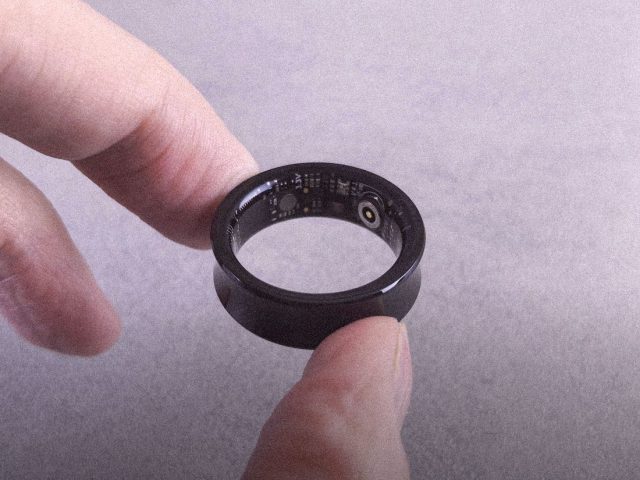
My observations also have limitations. Garmin watches generally measure heart rate using an optical sensor on the wrist, and reduced blood flow near the skin can make these readings less reliable.
Garmin itself acknowledges that cold water can affect optical heart-rate accuracy.
So the change I’m seeing could be genuine, partly measurement error, or a combination of both. I’d need a more reliable measurement to know for sure.
And even if my heart rate really is dropping, that doesn’t automatically mean my heart is under less strain. Blood pressure can rise at the same time.
Why I no longer put my head underwater
Winter swimming is very common in Denmark, where I’m from, so getting into cold water has never seemed particularly unusual to me.
But my father became ill after winter swimming, and that experience has made me more cautious. I don’t know whether the cold water caused his illness, but I no longer put my head underwater when I use the plunge. There’s also a physiological reason to be careful.
Putting your face into cold water can trigger the diving reflex, which may slow your heart rate. Combined with the body’s cold-shock response, particularly if you’re holding your breath, this can produce competing signals to the heart and increase the risk of abnormal rhythms in susceptible people.
No convincing evidence suggests that putting your head underwater offers additional recovery or longevity benefits.
For me, keeping my head above water and breathing normally makes sense. I still enjoy the plunge without adding something I don’t really need.
Does cold plunging actually help muscle recovery?
This is the main reason I use it after exercising, and there is some evidence behind it.
A Cochrane review of 17 small studies involving 366 participants found that cold-water immersion reduced muscle soreness in the days following exercise compared with simply resting.
That’s useful, although feeling less sore isn’t necessarily the same as recovering faster. Cold water can temporarily reduce pain perception without speeding up muscle repair.
There’s also an interesting downside if you’re trying to build muscle.
A 2024 review of eight studies suggested that regularly using cold-water immersion immediately after resistance training may slightly reduce muscle growth over time.
That could be because cooling the muscles interferes with some of the processes involved in adapting to exercise.
However, the studies generally involved longer immersions than my 30–60 seconds, and most examined cold exposure shortly after lifting. I normally spend time in the sauna first, so we don’t know whether my routine has the same effect.
If maximizing muscle growth is your main objective, regularly taking long cold plunges immediately after lifting may not be the best idea.
For me, the benefit is mainly that I enjoy the sensation and sometimes feel less sore afterwards.
Does cold plunging really burn fat?
Unlike ordinary white fat, which mainly stores energy, brown fat generates heat by burning energy. Cold exposure can activate it and increase how many calories your body burns.
So there’s a real biological mechanism behind the claim.
In one small study, participants exposed to 17°C air for two hours daily over six weeks increased their brown-fat activity and experienced a modest reduction in body fat.
But that’s very different from spending a minute in a cold plunge.
There’s also the question of appetite. A 2025 study found that people ate more at their next meal after spending 30 minutes in 16°C water than after warmer-water immersion or resting in normal room-temperature air. The additional food more than offset the energy they had burned during the cold exposure.
That doesn’t prove the same thing happens after my brief plunge, but it shows why burning extra calories doesn’t necessarily lead to losing weight.
I wouldn’t consider cold plunging a particularly useful way to lose body fat. No established immersion time reliably produces meaningful weight loss, and I wouldn’t stay in longer for that reason anyway.
What about immunity, inflammation and living longer?
Cold plunges are now promoted for almost everything, from reducing inflammation and strengthening immunity to improving metabolism and longevity.
A 2025 systematic review included 11 studies with 3,177 participants, though almost all of them came from one large cold-shower trial.
The researchers found some possible benefits for stress, sleep and quality of life, but the evidence was limited.
Interestingly, certain inflammatory markers actually increased immediately after cold-water immersion. That’s not necessarily harmful, since inflammation is a normal part of the body’s stress response, but it challenges the idea that cold plunges simply reduce inflammation.
One large cold-shower study found that participants took fewer sick days. However, the number of days they felt ill did not decrease significantly. So the study doesn’t prove that cold showers strengthen the immune system.
As for longevity, we don’t have convincing human evidence that recreational cold plunging helps people live longer.
Is a cold plunge better after the sauna?
I really enjoy the cold plunge after the sauna. The contrast between the dry heat and cold water feels refreshing, and sometimes I finish in the regular pool as my skin warms up again.
Some interesting research explores this practice, often called contrast therapy.
A small 2026 study involved 16 healthy adults completing sauna sessions at 85°C, with cooling breaks that either included resting in air or 90 seconds in 20°C water.
Those who used cold water had lower core temperatures and heart rates after the second sauna session. Their heart rates averaged 17 beats per minute lower than those who cooled down in air, and they generally found the heat more tolerable.
It’s interesting because it shows that even a fairly brief immersion in water much warmer than my gym’s 12°C plunge can change how the body responds to sauna heat.
The researchers didn’t measure the same immediate heart-rate change I’m seeing on my Garmin, though, so the findings don’t directly explain my observations.
And a broader 2026 review of contrast therapy found little convincing evidence of lasting improvements in cardiovascular or metabolic health.
Would a cold shower work just as well?
If you simply want to cool down after a sauna, a cold shower may be perfectly adequate.
A plunge isn’t exactly the same because more of your body is surrounded by water, and the water pressure affects circulation. But we don’t have convincing evidence that a cold plunge provides better long-term health benefits than a cold shower.
Personally, I enjoy the immersion, but I wouldn’t buy an expensive cold-plunge setup purely for its supposed health benefits.
How long should you stay in a cold plunge?
Seeing people return to the sauna still shaking makes me wonder how much time in cold water is actually useful. At around 12°C, my 30–60 seconds feels like enough, but am I missing out on something by getting out earlier?
The research doesn’t give us a clear answer.
Many sports recovery studies use around 10–15 minutes in water between 10°C and 15°C. Those are research protocols, though, not general recommendations for how long everyone should stay in a cold plunge.
We don’t know the ideal duration for general health, fat loss or longevity. Nor is there a scientifically established safe maximum for everyone.
Is shaking a sign you’ve stayed too long?
Shivering is the body’s way of generating heat through involuntary muscle contractions. It’s a normal response to cooling and doesn’t automatically mean someone has hypothermia.
But I don’t see a reason to remain in a recreational cold plunge once I start shivering.
Mild shivering is a sensible cue to finish. Strong or uncontrollable shaking, numbness, unusual weakness or difficulty moving normally are more concerning.
Dizziness, confusion, chest pain, palpitations, severe breathlessness or fainting require immediate attention, and serious symptoms warrant urgent medical help.
The danger isn’t limited to hypothermia. Sudden cold immersion can place considerable stress on the heart and circulation within the first few seconds, before your core body temperature has fallen much.
How often should you cold plunge?
There’s no established number of weekly sessions needed for general health.
Some people plunge daily, while others use cold water occasionally after exercise or a sauna. We don’t have good evidence that daily cold plunging is better than less frequent use for long-term wellbeing.
I tend to use the plunge as part of my gym routine rather than treating it as a specific goal. I haven’t seen convincing evidence that I need to do it every day.
What if you’ve never tried a cold plunge?
I wouldn’t recommend starting with an ice bath or jumping straight into very cold water.
A cooler shower or a supervised plunge in a controlled environment is a better place to start. Enter gradually, keep your breathing steady and make sure you can get out easily.
Don’t plunge alone, and avoid holding your breath or doing hyperventilation exercises in the water.
Anyone with cardiovascular disease, abnormal heart rhythms, uncontrolled high blood pressure or a history of fainting should seek medical advice before trying it.
Afterwards, dry off and warm up gradually. Your body can keep cooling after you leave the water, especially after longer immersions.
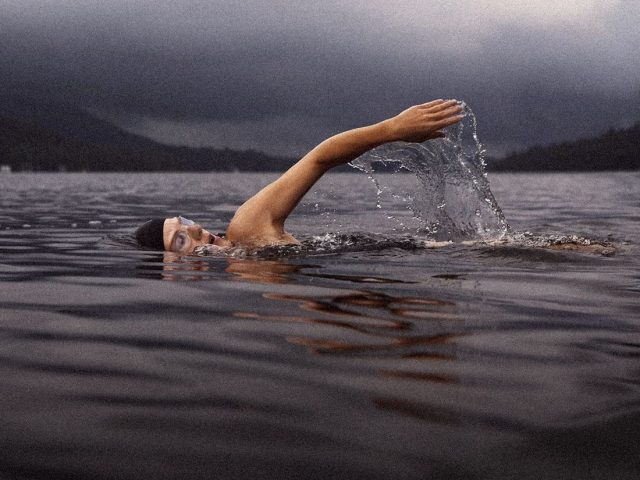
Remember that winter open-water swimming brings additional risks compared with a controlled gym plunge.
So, is cold plunging worth it?
For me, yes, although probably not for all the reasons it’s advertised.
I enjoy going from the sauna into the cold water, and 30 seconds to a minute feels like enough. Sometimes I repeat it, but I don’t feel the need to stay longer.
I’ll also continue keeping my head above water, particularly given what happened to my father.
The Garmin readings have made me more curious about my heart rate, but I wouldn’t use cold plunging to lose fat or expect it to help me live longer. It may help with muscle soreness, although that’s not necessarily the same as recovering faster.
For now, I enjoy it, feel refreshed afterwards and see no reason to turn it into an endurance competition
Scientific references
- Bleakley et al. (2012). Cold-water immersion for preventing and treating muscle soreness after exercise. Cochrane Database of Systematic Reviews.
- Piñero et al. (2024). Throwing cold water on muscle growth: A systematic review and meta-analysis. European Journal of Sport Science.
- Yoneshiro et al. (2013). Recruited brown adipose tissue as an antiobesity agent in humans. Journal of Clinical Investigation.
- Grigg et al. (2025). Effects of cold-water immersion on energy expenditure, energy intake and appetite. Physiology & Behavior.
- Cain et al. (2025). Effects of cold-water immersion on health and wellbeing. PLOS ONE.
- Ngandeu Schepanski et al. (2026). Cold-water exposure and psychological outcomes in adults: A systematic review and meta-analysis. Frontiers in Physiology.
- Owen et al. (2026). Thermal and cardiovascular responses to sauna are attenuated by adding cold-water immersion to cooling breaks. Experimental Physiology.
- de Haan et al. (2026). Cardiometabolic effects of contrast therapy: A systematic review. Experimental Physiology.