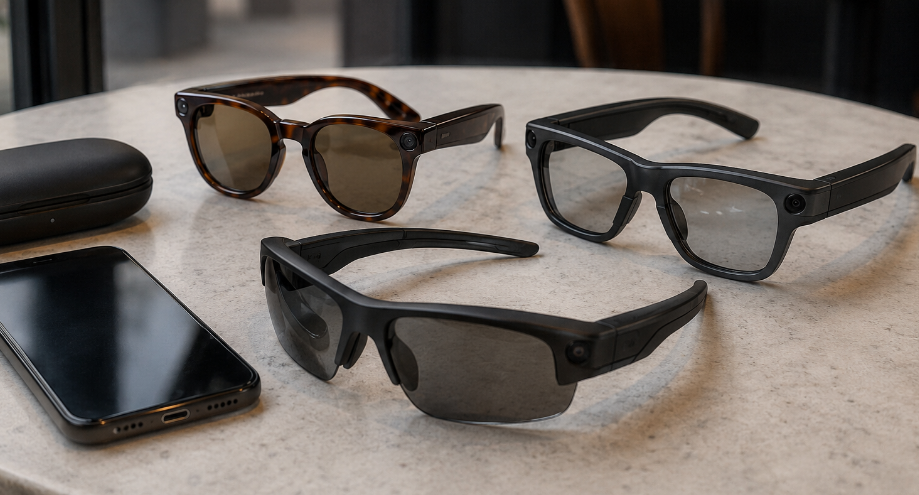
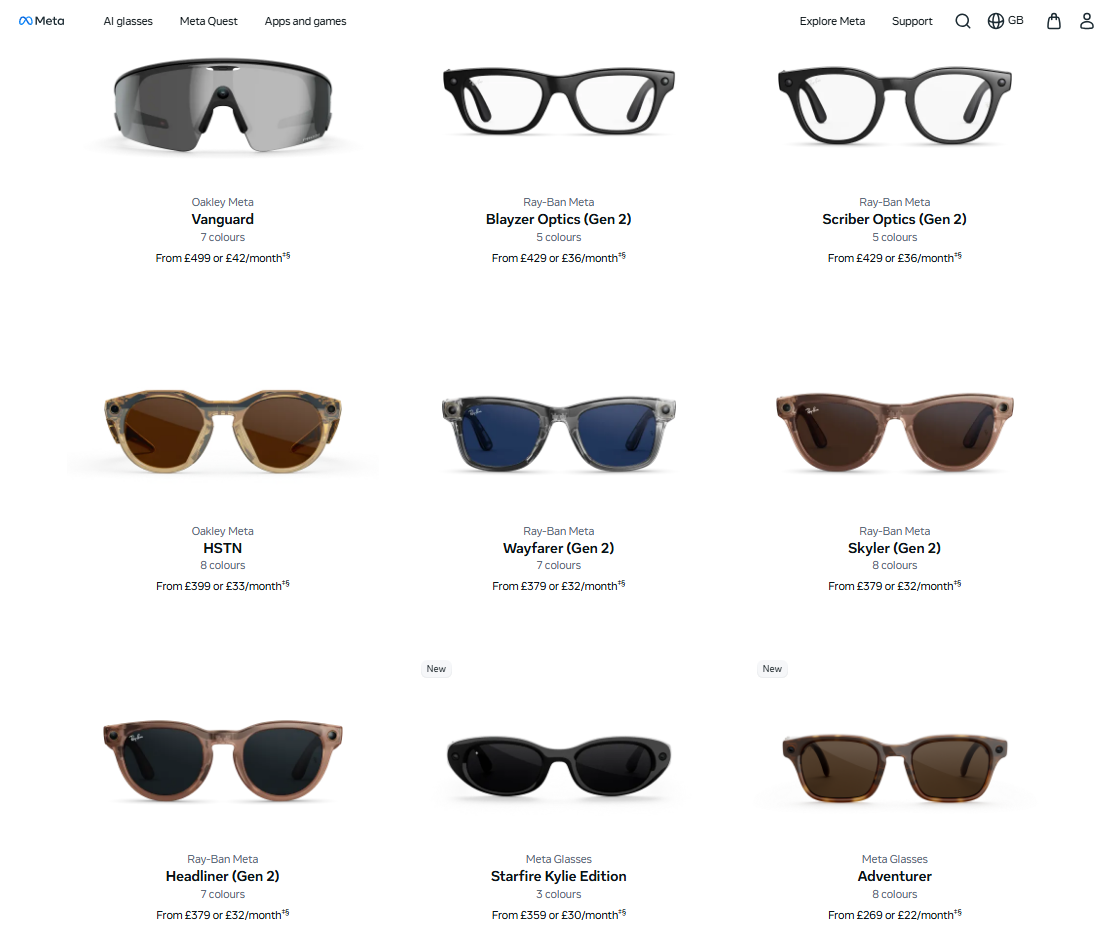
Meta’s smart glasses lineup is getting crowded. On the shop page, you’re hit with a massive wall of options: classic Ray-Bans, newer Meta-branded frames like the Adventurer and Fury, sporty Oakleys, and prescription-friendly clear lenses.
But here is the truth: under the hood, these glasses do the exact same things. The AI, the camera, and the speakers are identical.
Your actual decision comes down to real-world factors: style, facial fit, lens needs, price, and whether you are genuinely comfortable wearing a camera on your face every day.
DailyStoke has not benchmarked these models in-house. This buyer’s guide is built from official specs, launch documentation, trusted tech reviews, and direct comparisons with the rest of the smart eyewear market.
Are Ray-Ban Meta glasses worth it?
Before spending any money, ask yourself: Do I really want camera and audio glasses glued to my face?
If you do, the current lineup is a massive step up from early smart tech. Whether you buy the cheapest or most expensive pair, you get the same core package: hands-free 3K video, open-ear music, voice commands, and Meta’s AI assistant.
The choice isn’t about the tech; it’s about the frame:
- Oakley Styles: Built for workouts, cycling, and outdoor sports where standard lifestyle frames slip off.
- Ray-Ban Styles: The absolute safest pick. They look like normal glasses, so you won’t get weird looks in public.
- Meta Adventurer & Fury: The budget route. Perfect if you just want the tech features and don’t care about a designer logo.
What Do You Actually Get? (And What’s Missing)
Do not confuse these with “Augmented Reality” (AR) glasses.
These glasses do not have screens. They will not project a floating movie, show map graphics over the road, or let you play virtual games.
Think of them as excellent wireless earbuds with a camera built into the frame. If you want a private screen for a flight or a gaming console, skip Meta entirely and look at display glasses like the Xreal Air or Viture Pro.
Meta’s glasses are strictly for quick content capture, hands-free phone calls, and voice assistance. To use them, you’ll need a compatible phone (Android 10+ or iOS 14.4+), the Meta View app, and an active Meta account.
What Actually Differs
| Current model group | Starting price | Best reason to choose it | Main caution |
|---|---|---|---|
| Meta Adventurer | £269 / $299 | Lowest new-model entry point; clean rectangular frame | Less familiar eyewear brand than Ray-Ban |
| Meta Fury | £269 / $299 | Lower price with a bolder frame | More polarizing style |
| Meta Starfire Kylie Edition | £359 / $399 | Slim oval fashion-led frame | You are paying partly for styling and edition appeal |
| Ray-Ban Meta Wayfarer Gen 2 | £379 / $379 | Safest classic everyday look | Still thicker and heavier than normal glasses |
| Ray-Ban Meta Headliner Gen 2 | £379 / $379 | Softer Ray-Ban shape than Wayfarer | Fit is personal; try before buying if possible |
| Ray-Ban Meta Skyler Gen 2 | £379 / $379 | More rounded, fashion-oriented frame | Not ideal for every face shape |
| Ray-Ban Meta Blayzer / Scriber Optics Gen 2 | £429 / $499 | Best current Ray-Ban choice for prescription wearers | Higher starting price |
| Oakley Meta HSTN | £399 / $399 | Sporty lifestyle frame with Oakley lens options | Less subtle for office or city wear |
| Oakley Meta Vanguard | £499 / $499 | Best for sports, action capture, and outdoor use | Too specialized for many everyday buyers |
The main differences are frame shape, lens availability, fit adjustments, battery claims, sport features, and social acceptability. The basic AI and camera/audio idea is similar enough that style and comfort should carry more weight than the spec sheet.
Breakdown: Which Meta Frame Fits Your Life?
Meta Adventurer: The No-Nonsense Budget Pick
The Adventurer is the smart financial choice. At £269, it ditches the Ray-Ban markup but keeps a highly wearable, standard rectangular shape. It’s perfect for casual users who just want to listen to podcasts on walks or take quick POV videos without a luxury price tag.
Meta Fury: For Bold Dressers
Also starting at £269, the Fury is aggressive and chunky. Buy this if you specifically love thick, noticeable eyewear and want your glasses to be part of your outfit. Avoid it if you need conservative glasses for corporate jobs or formal settings.
Ray-Ban Meta Gen 2: The Best Overall
There is a reason the Ray-Ban models dominate the market. They look like real glasses first and tech gadgets second.
Meta promises up to 8 hours of mixed battery use and fast charging (50% in 20 minutes) via the included case. Tech outlets like The Verge backed this up, finding that the battery easily handles a normal day of use, though they noted head-mounted video can still look shaky if you walk or move aggressively. Choose the Wayfarer if you want the classic look, or the Headliner if you prefer a softer, rounder frame.
Ray-Ban Blayzer & Scriber Optics: For Full-Time Glasses Wearers
If you wear prescription lenses every day, skip the sunglasses and look at the Blayzer or Scriber Optics frames. Starting at £429, these are designed to be clear optical glasses first.
Ray-Ban added over-extension hinges, adjustable temple tips, and swappable nose pads here for a reason: comfort. If a pair of sunglasses pinches your nose, you take them off. If your daily prescription glasses pinch your nose, it ruins your entire day. Choose these if you want to replace your regular eyewear with a smart pair you can wear from morning to night.
Oakley Meta HSTN & Vanguard: Built for Movement
Oakley’s models are for people who intend to sweat in their tech.