Most luxury hotels take a deposit so you can raid the minibar. Chenot Palace Weggis took €1,400 each from us on arrival, and the next morning breakfast was a pear.
That is the Chenot paradox in one sentence. You pay Swiss lakeside prices to be fed about 850 calories a day, and the staff are lovely about it. We spent a week there on the Recover & Energise program in July 2025, sharing a room, and came away lighter, more disciplined than usual and short on sleep.
So what does the Chenot Method actually achieve? On the evidence, the diet does real short-term things to your metabolism. The massages, mud and baths make the week bearable but have no published evidence of adding anything measurable. And most of the weight you lose in a week is not the kind you keep off by checking out.
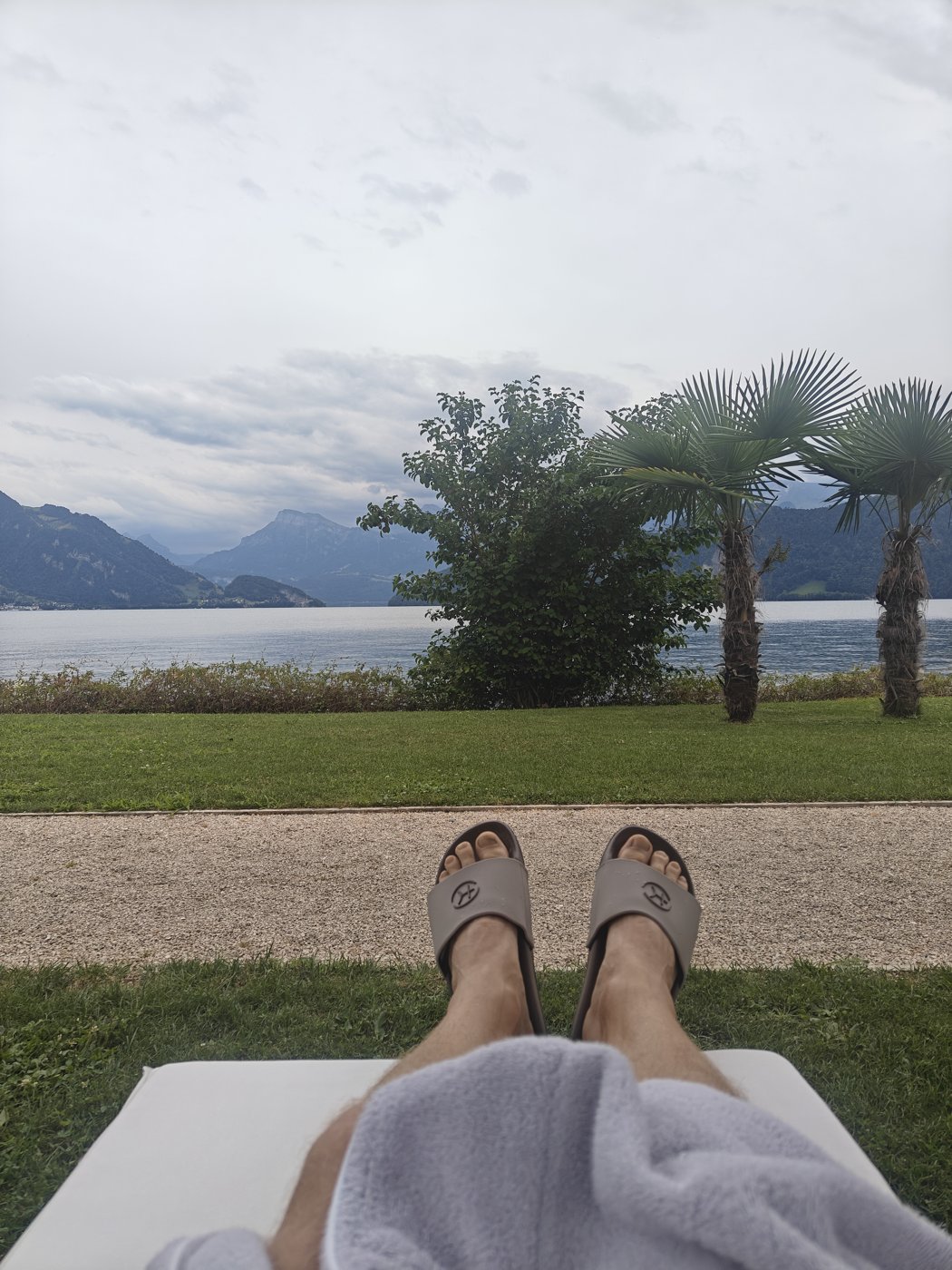
Our verdict: Chenot Palace Weggis delivers what it promises on paper: a disciplined, medically framed week of eating about 850 plant-based calories a day, wrapped in massages, mud and hydrotherapy, with kind staff and a gorgeous lake. The diet has genuine, if short-term, human research behind it. Most of the treatments do not, and the full bill is far higher than the headline program fee.
Price: Recover & Energise CHF 6,400 per person, rooms from CHF 410 a night on top (checked October 2026)
Firsthand: Visited, July 2025, Recover & Energise, shared room
Chenot Palace Weggis at a Glance
- What it is: A medical-wellness retreat in Weggis, on the north shore of Lake Lucerne, built around the Chenot Method: a reduced-calorie plant-based diet plus daily treatments and diagnostics.
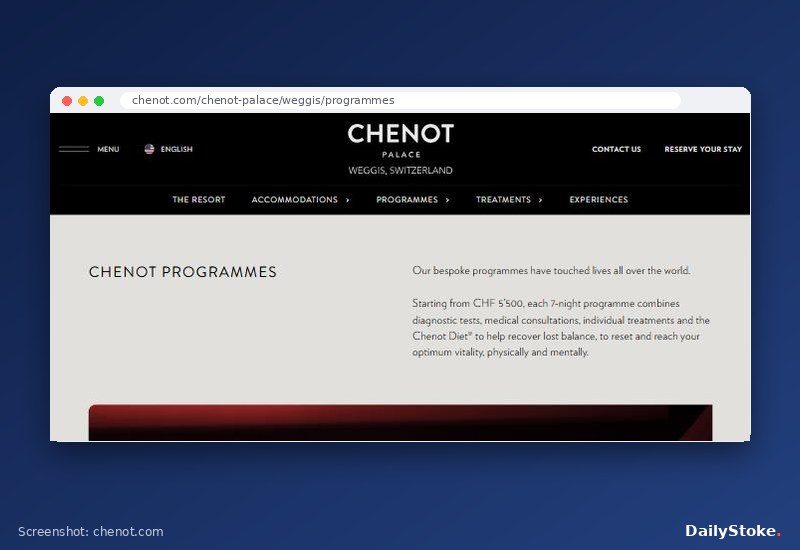
- Programs: five, from CHF 5,500 to CHF 7,960 per person, all designed for a minimum of seven nights; rooms extra, from CHF 410 a night.
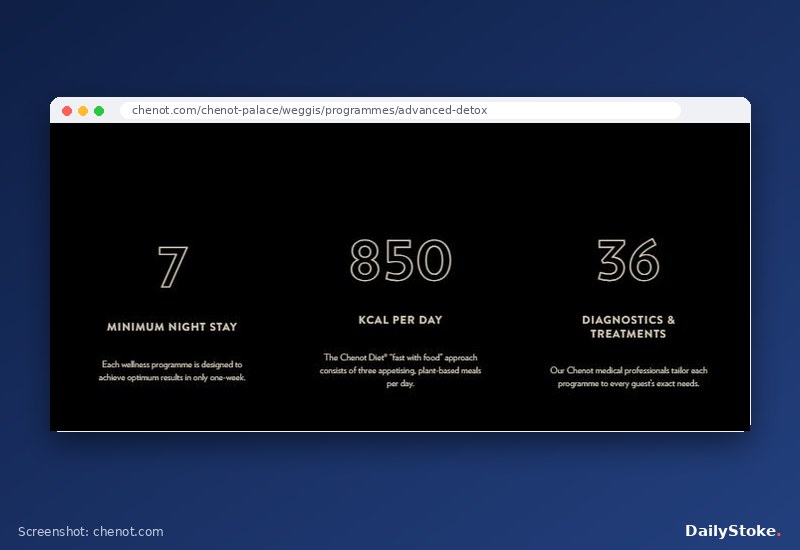
- Diet: The Chenot Diet, about 850 kcal a day across three plant-based meals on the detox programs.
- Medical input: Two medical and two nutritional consultations on the core detox programs.
- What we did: Recover & Energise, two of us sharing a room.
Why We Booked Recover & Energise
We arrived exhausted and bloated after a long run of travel and restaurant meals, and wanted a reset. Weggis is easy to reach: about 1 hour 20 minutes by train from Zurich to Küssnacht, then a short taxi.
We chose Recover & Energise, the program aimed at stress and fatigue. It included a medical check-up, daily treatments and the diet. Note that this is not Advanced Detox, Chenot’s signature program, although the diet and much of the treatment schedule overlap.
At check-in we were handed the MyChenot app, which showed our schedule and, a little ominously, a running tab for extras. We booked a back and shoulder massage and a facial on day one.
The full day-by-day story, including the room quirks and the lawnmower at 8 a.m., is in our original Chenot Palace Weggis account on LocalsInsider. Here we focus on the method, the money and the evidence.
The Chenot Diet: What 850 Calories a Day Looks Like on a Plate
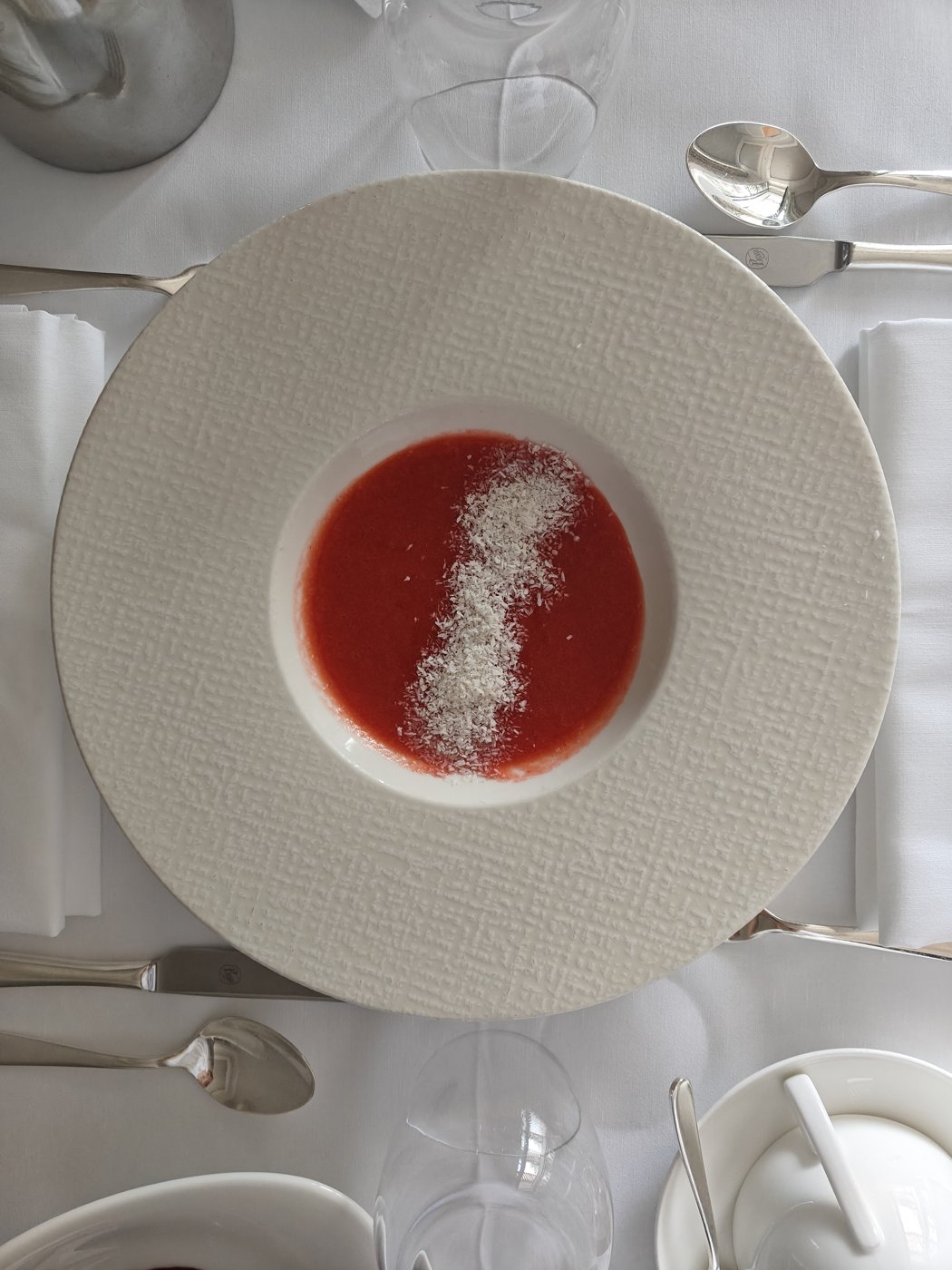
The diet is fully plant-based, with no meat, eggs, dairy, sugar, alcohol or regular salt. Breakfast was the shock. Day one brought a pear. Day two, a strawberry mousse. Day three, a single peach. Coffee was replaced by a chicory drink with cinnamon that looked like coffee and tasted nothing like it.
Lunch and dinner were three courses, with a choice of main, and some dishes were genuinely good. The printed lunch card from 7 July 2025 is a fair example: cauliflower sushi, a salad, then beetroot risotto with pine nut crackers or rice tagliatelle with vegetables and tamari.
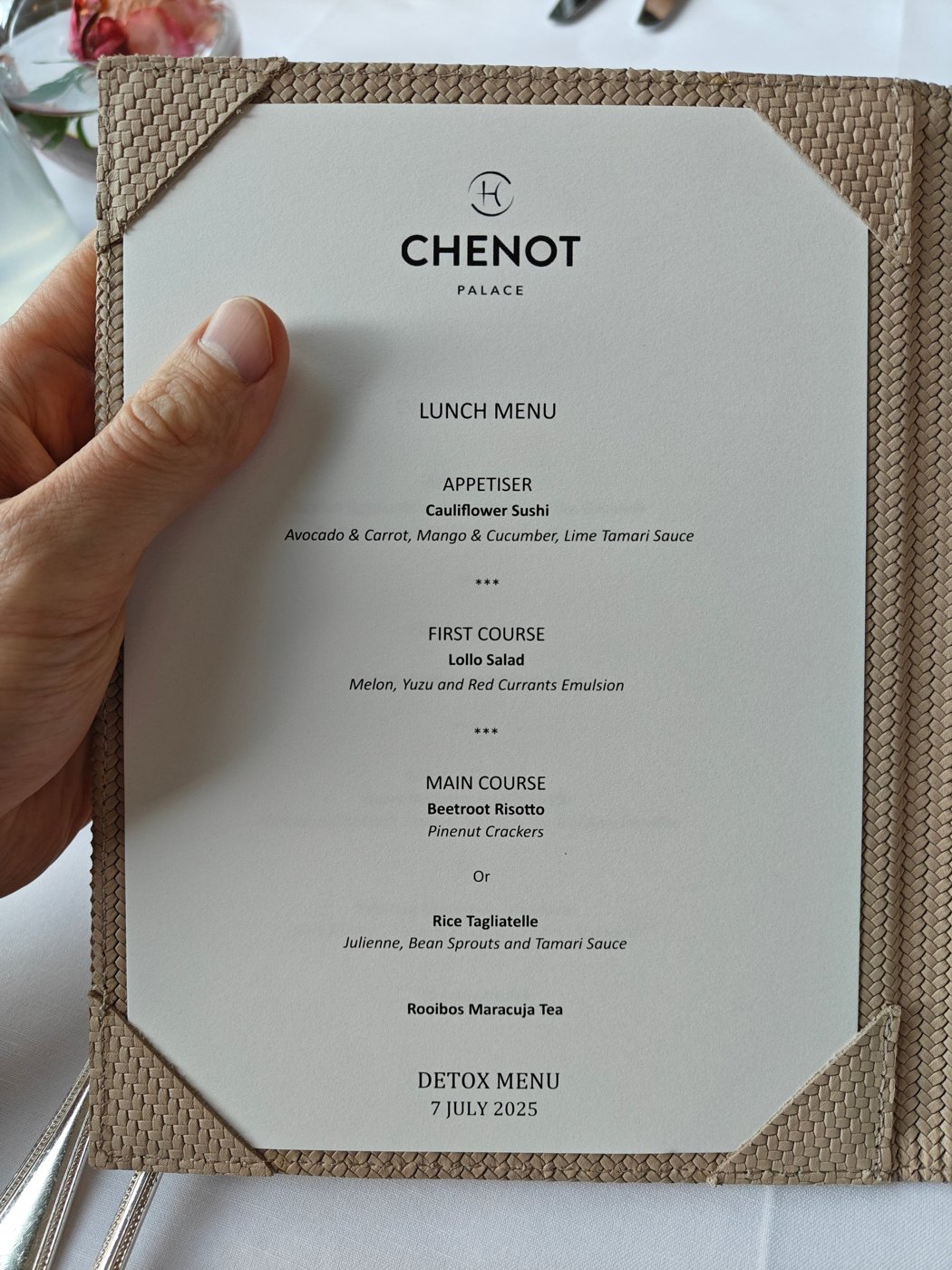
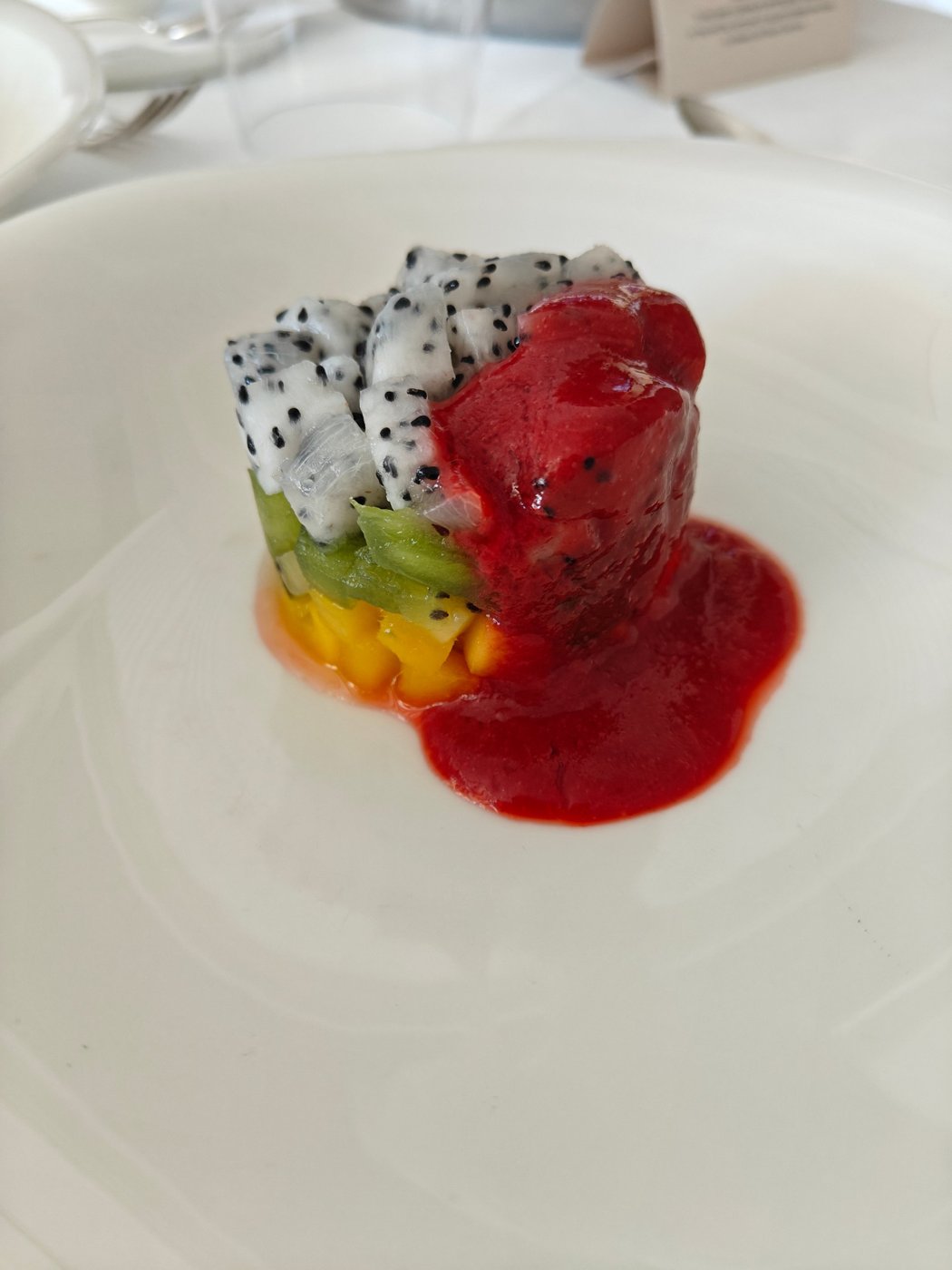
The cauliflower sushi, with avocado, mango and a lime tamari sauce, was the standout. The low point was repetition: a lot of white pasta, rice and buckwheat, lettuce in salad after salad, and dishes containing lactose despite our stated preferences. We would have swapped some of it for black rice, millet, arugula or spinach. To the kitchen’s credit, cabbage appeared the same day we asked for more variety.
Hunger, Headaches and 3 a.m. Wake-Ups
Day two arrived with a severe headache. Our best guess was withdrawal: the body asking where the coffee, eggs and chicken had gone.
Then came the irritability. Hunger makes you short-tempered, and we were not the only ones feeling it. We saw other couples arguing about the food.
Sleep was the surprise. It was light, we woke between 3 and 5 a.m., and dreams were vivid, occasionally nightmarish. That pattern lasted a few days after we got home.
Why the Scale Moved So Fast
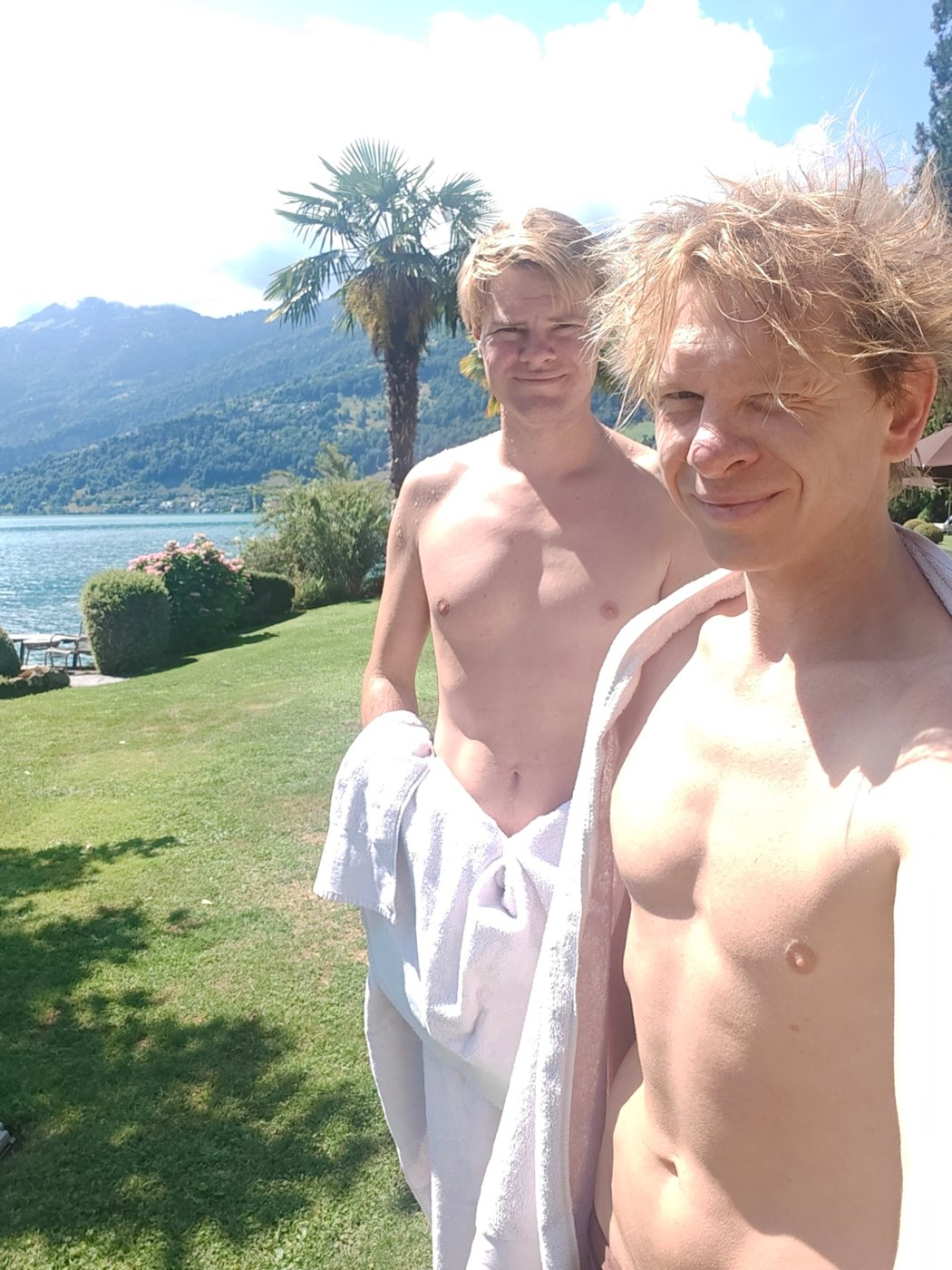
We both lost weight. One of us went from 64.4 kg to 62.0 kg over the week; the other lost about 3 kg, which we suspected was mostly water.
It is tempting to credit autophagy. The more boring explanations do most of the work.
Calorie restriction. At around 850 kcal a day, most people are eating well under what they burn. Some of the loss is genuine fat. In Chenot’s own trial, DEXA scans showed fat mass falling over seven days.
Glycogen and water. The body keeps a reserve of carbohydrate as glycogen in the liver and muscles, and glycogen is stored with water. Cut calories and carbohydrates sharply and those stores run down in the first days, taking the water with them.
Less salt, less in the gut. No added salt and tiny portions mean less water retention and less food in transit. Both register on a scale.
Put together, that is why a week’s loss can look dramatic and partly vanish once normal meals resume. The US National Center for Complementary and Integrative Health notes that short detox diets tend to lead to weight gain afterward. Weight loss is also not longevity: a lower number on the last morning tells you nothing about how long you will live. What happens to biomarkers, and why, is covered properly in our explainer on the Chenot Method and autophagy.
Hydrotherapy, Mud and Energetic Massage: The Treatment Schedule
The treatments repeat daily, which gives the week its rhythm.
Hydro-aromatherapy: a 37°C bubble bath with essential oils, then a seaweed wrap on a heated bed for about 20 minutes, then a rinse-down. We felt like muddy animals at a spa car wash. Pleasant, slightly absurd.
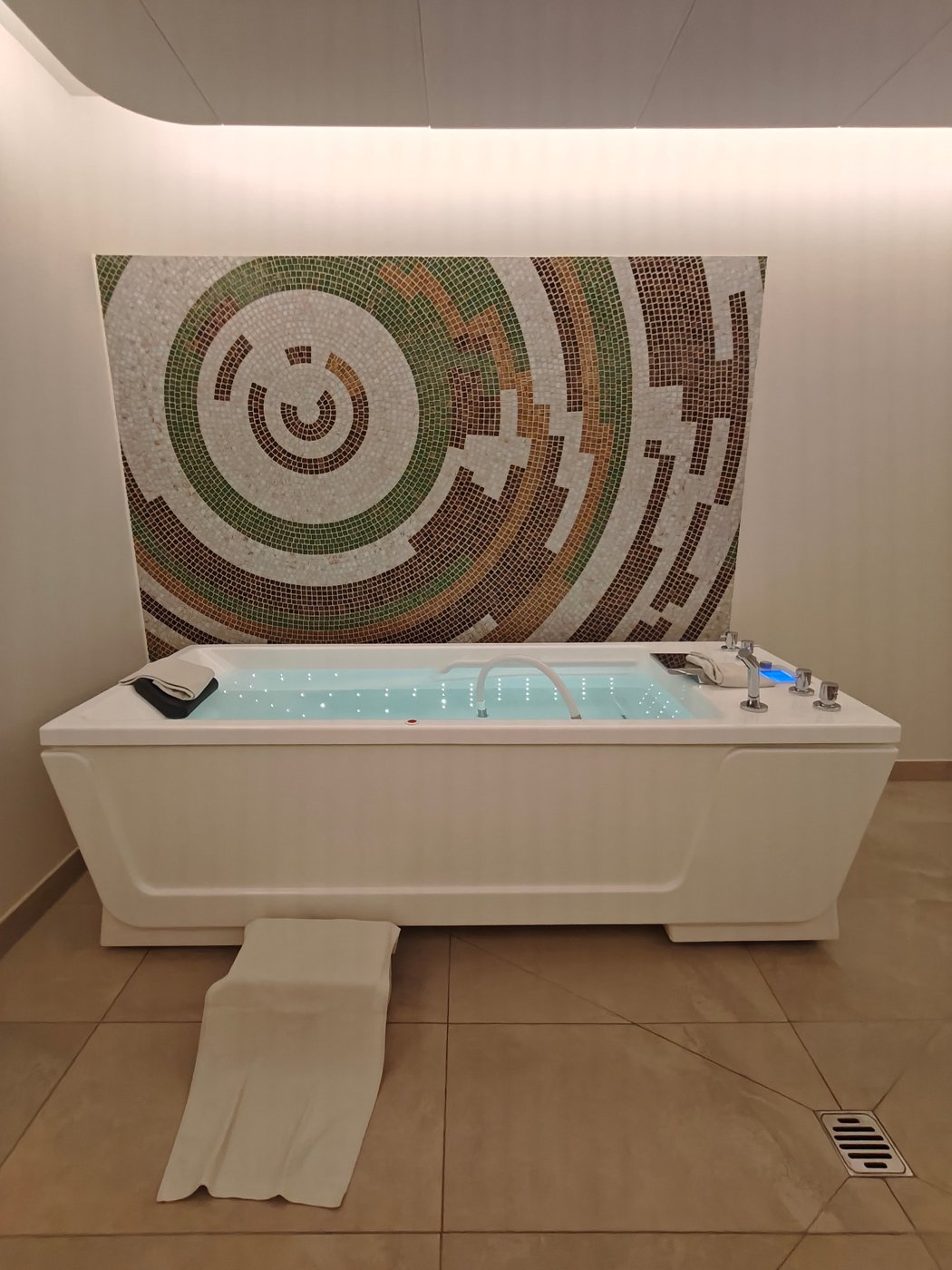
Phyto-mud, hydro-jet and energetic massage: a mix of Chinese and Western techniques with cupping and pressure points, with the focus rotating between drainage, heart and liver. The massages were intense. Ask for lighter pressure if you need it.
Whole-body photobiomodulation: about 20 minutes in a near-infrared light capsule. Relaxing, and a bit sci-fi.
Neuro-acoustic relaxation: headphones playing brainwave-style sound. Very relaxing. We wished we had saved it for bedtime.
Cryotherapy: a walk-through of three chambers, roughly 5 seconds at -10°C, 5 seconds at -60°C and 3 minutes at -110°C, in two pairs of socks, gloves, a mask and a headband. We came out with a real endorphin rush. It went on our tab at about $150 for three sessions.
Chenot’s current Advanced Detox page lists six each of energetic massage, hydro-aromatherapy and phyto-mud with hydro-jet. Prevention & Ageing Well adds six cryotherapy sessions, altitude-room training and personal training.
Consultations and Chenot Lifestyle Biomarkers
We were welcomed by a friendly nutritionist and a sugar-free juice. The first session was more a mini health interview than a medical work-up: health, eating habits, lifestyle. A more detailed medical consultation followed, where optional add-ons were offered, including mRNA panels for inflammation and neurological markers. At the end, the nutritionist sent us home with printed recommendations, one of which was brown bread in the mornings. After a week without bread, that felt rather funny.
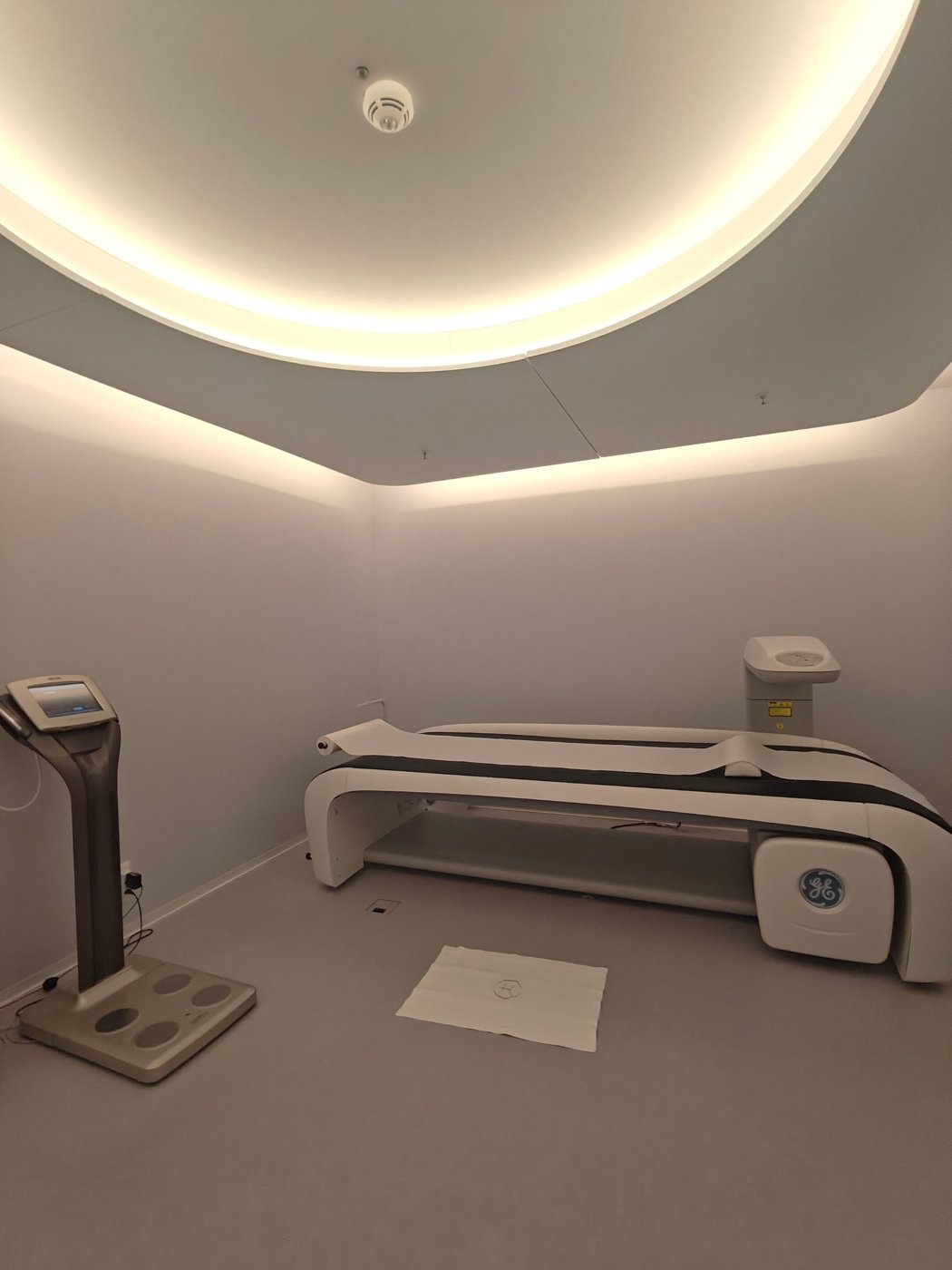
On the detox programs, Chenot’s page lists a body composition analysis, a bio-energetic check-up using “Resonance Analysis Technology” and the Chenot Lifestyle Biomarkers, a proprietary “vitality score” estimating the rate of biological aging from vascular age, minerals and heavy metals, advanced glycation end products and skin collagen thickness.
Some inputs, arterial stiffness in particular, have a real research literature. A clinic-built composite score without published validation is a different matter, and body composition readings taken during severe restriction pick up shifts in water as much as fat. Our guide to which longevity clinic tests are actually useful covers the difference.
Weggis now also sells Body Insights & Optimisation (CHF 6,100), built around testing rather than the detox diet. That is a sensible split: you learn more from tests taken while eating normally.
Does the Chenot Method Work?
One of our photos from the week shows an evening talk for guests on what happens metabolically when you fast. The slide cites a review by Mark Mattson, Valter Longo and Michelle Harvie.
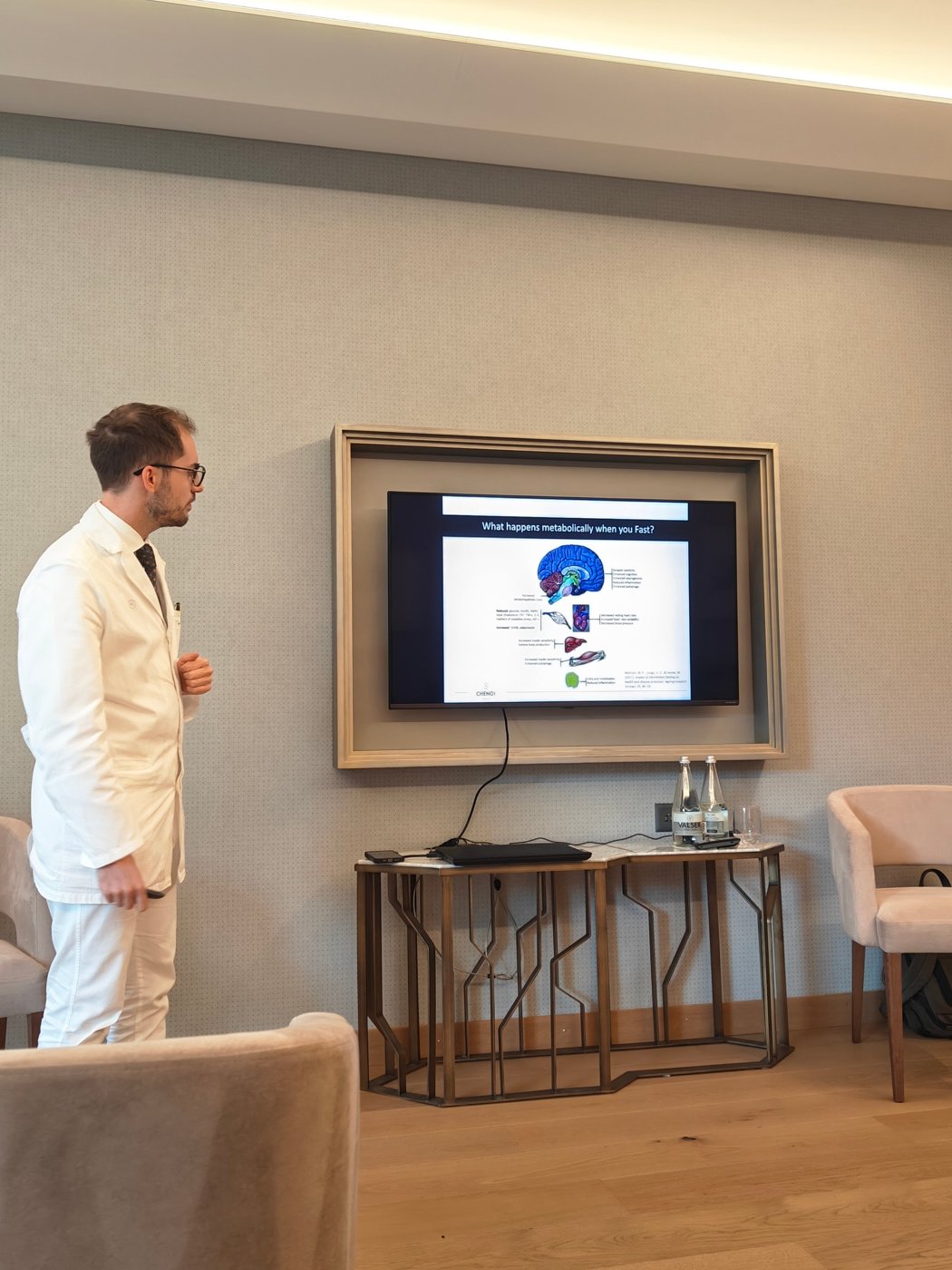
It is a fair review to cite. Mattson, Longo and Harvie (Ageing Research Reviews, 2017) found broad benefits of fasting in rodents, but in people mainly weight loss and better insulin resistance and cardiovascular risk factors, and said randomized trials were still needed.
Chenot has since collaborated on one. In Sarmad et al. (Clinical Nutrition, 2025), 46 healthy adults ate either a weight-maintaining diet or one of two 850 kcal plant-based diets for seven days. Both low-calorie diets cut weight, fasting glucose and IGF-1. The higher-protein version did at least as well as the classic low-protein one. The study was one week long, tested the diet alone, had no long-term follow-up and included Chenot’s chief operating and scientific officer among its authors.
That is a genuine result, and a narrow one. It supports the diet as a short metabolic intervention. It does not support the full Chenot Method, because nobody has tested the treatments, and it does not show that anyone lives longer.
Diet Versus Spa: Where the Effects Come From
| Intervention or claim | What the evidence supports | Evidence category |
|---|---|---|
| 850 kcal plant-based diet for 7 days | Short-term drops in weight, glucose and IGF-1 in healthy adults; long-term outcomes unknown | Promising but preliminary |
| “Activates autophagy” | Molecular markers in blood in small, short trials; no evidence of lasting tissue or health effects | Plausible mechanism, uncertain benefit |
| Hydro-aromatherapy and mud remove toxins | No published evidence for toxin removal | Insufficient evidence |
| Energetic massage with cupping | Feels intense and relaxing; no trials of this protocol | Subjective wellness benefit |
| Whole-body cryotherapy for recovery | A Cochrane review found insufficient evidence it reduces post-exercise soreness | Insufficient evidence |
| Photobiomodulation capsule, neuro-acoustic relaxation | Pleasant and calming; no evidence of longevity effects | Subjective wellness benefit |
| Bio-energetic check-up | No validated diagnostic basis published | Insufficient evidence |
On cryotherapy, the Costello et al. Cochrane review (2015) found only four small trials on post-exercise soreness. We enjoyed the rush. Feeling better for an afternoon is not the same as being healthier.
What a Week at Chenot Palace Weggis Really Costs
Program fees are per person and exclude the room, which is where the headline price falls apart.
| Program (7 nights) | Program fee | Room from (7 nights at CHF 410) | Minimum total, one guest |
|---|---|---|---|
| Advanced Detox | CHF 5,500 | CHF 2,870 | CHF 8,370 |
| Body Insights & Optimisation | CHF 6,100 | CHF 2,870 | CHF 8,970 |
| Recover & Energise | CHF 6,400 | CHF 2,870 | CHF 9,270 |
| Prevention & Ageing Well | CHF 7,100 | CHF 2,870 | CHF 9,970 |
| Sleep Cycles | CHF 7,960 | CHF 2,870 | CHF 10,830 |
Prices checked October 2026 on Chenot’s program pages. CHF 410 a night is the lowest published room rate; Chenot does not say which room type it applies to, and lake-view rooms and peak dates cost more. Two people sharing pay two program fees but one room. Extras such as additional massages, facials, cryotherapy and lab panels go on the tab, and a deposit is taken on arrival.
Facilities: The Lake, the Gym and a Closed Hammam
The setting is the best thing about Weggis. A lift and a passage under the road lead to a quiet, clean private beach, and a morning swim in the lake felt magical. The fitness center was excellent, with a helpful trainer and a SensoPro balance machine. The indoor pool is about 20 meters, fine for laps. The hammam was closed for maintenance all week, which stings at this price, and the spa overall was less impressive than we expected.
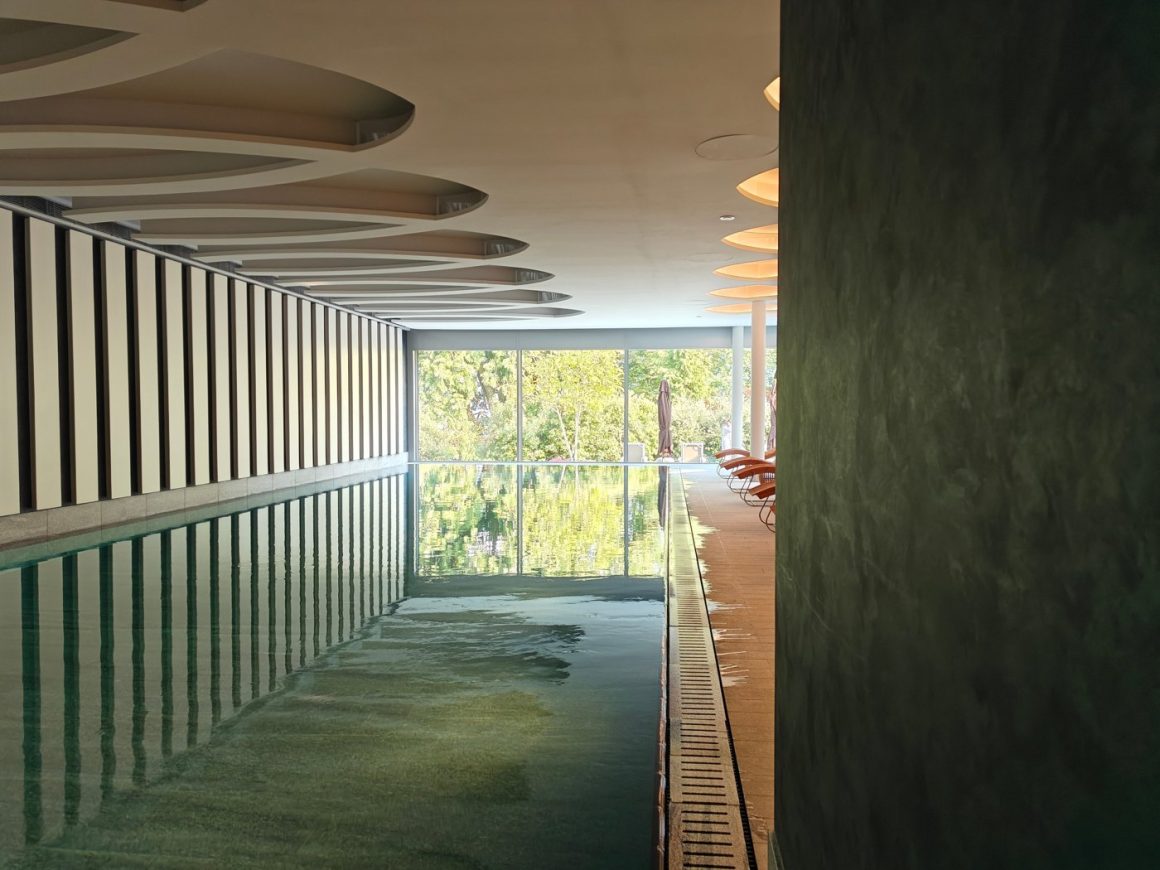
Staff were kind throughout. The room was spacious, with lake and mountain views, but a big table blocked the balcony until we asked for it to be moved, the bathroom lighting was harsh, and there was no bathtub.
Who Should Book Chenot, and Who Should Not
Chenot makes sense if you are broadly healthy, want structure you cannot impose on yourself at home, and value supervision and a beautiful setting enough to pay for them. It is a reset, not a cure, and part luxury hotel, part bootcamp.
It is not for everyone. Restrictive fasting regimes are generally unsuitable during pregnancy or breastfeeding, for people with a history of eating disorders, for people with diabetes on insulin or other glucose-lowering drugs, and for people with kidney or liver disease, low blood pressure or nutritional deficiencies, according to guidance from Singapore General Hospital’s endocrinology and dietetics teams. Chenot screens guests, but speak to your own doctor first, especially if you take regular medication.
How Chenot Weggis Compares
Clinique La Prairie in Montreux offers more doctors, more tests and more comfort at a much higher price; our earlier side-by-side of Chenot and Clinique La Prairie on LocalsInsider frames it as bootcamp versus medical comfort. The Chenot Espace at One&Only Portonovi runs the same core method in an Adriatic beach resort, with shorter programs. Lanserhof Tegernsee leans harder on laboratory diagnostics. For the full field, see our comparison of longevity retreats in Europe.
Would We Go Back?
Probably not, at least not in this form. We left lighter and with a sense of discipline we rarely manage at home. But the evidence points to the diet as the active ingredient, and a supervised 850-calorie week costs roughly CHF 8,400 to 10,800 per person once you add the cheapest room.
What would change our minds? A menu with more whole grains and greens and fewer white carbs. A hammam that is actually open. A later lawnmower. And, above all, a program where the testing is done while we eat normally and the results come with a plan our own doctor can use. Body Insights & Optimisation looks like a step in that direction, though we have not tried it.
Our broader look at whether longevity retreats are worth the money runs the numbers against other ways to spend them.
Final verdict: 3.6/5. Superb setting, kind staff and a diet with real short-term data behind it; expensive, repetitive at the table, and long on treatments whose benefits are unproven.
Chenot in 2027: Diagnostics Move Center Stage
In 2027, the Chenot catalogue at Weggis looks less like a single detox and more like a menu. Alongside Advanced Detox sit dedicated programs for sleep, healthy aging and, notably, a testing-led Body Insights & Optimisation stay that separates diagnostics from the fasting diet. Chenot now leans on its own randomized trial, published in Clinical Nutrition in 2025, when it explains the diet, and independent fasting-mimicking studies, including a 2026 GeroScience pilot, have joined the evidence base. The wider market has moved the same way: BBC Travel reported in 2026 that retreats are shifting from pampering toward diagnostics, fitness assessments and sleep tracking, while experts it quoted saw little evidence that these stays extend lifespan.
Chenot Palace Weggis FAQs
How much does a week at Chenot Palace Weggis cost?
Program fees run from CHF 5,500 for Advanced Detox to CHF 7,960 for Sleep Cycles, per person, with rooms from CHF 410 a night on top (checked October 2026). A single guest in the cheapest room pays at least CHF 8,370 before extras.
Do you really eat only 850 calories a day?
On the detox programs, roughly, yes. Chenot lists 850 kcal a day across three plant-based meals. Breakfast can be a single piece of fruit; lunch and dinner are small three-course meals.
How much weight do you lose at Chenot?
We lost between about 2.4 and 3 kg each in a week. Some of that is fat, but much of a week’s loss is glycogen, water and gut contents, and it can return when normal eating resumes.
What are the side effects?
We had a headache on day two, hunger-driven irritability and broken sleep that lasted a few days after we got home. Dizziness, fainting or palpitations are reasons to tell the medical team.
Can you do the Chenot Diet at home?
Chenot publishes at-home guidance on its blog, but a very low-calorie diet is a medical intervention for some people. Anyone considering one, especially with a health condition or regular medication, should speak to their own doctor first.
More on DailyStoke
- Longevity Retreats in Europe Compared: Treatments, Prices and the Science
- The Chenot Method Explained: Does It Really Trigger Autophagy?
- Longevity Clinic Tests: Which Biomarkers Are Actually Useful?
- Are Luxury Longevity Retreats Worth the Money?
- The Health Metrics Worth Tracking
- New Luxury Spa Hotels for 2027