“Relax, assess, react.”
That is the baseline motto for Dr. Philip Chapman, an emergency medicine consultant born in South Africa and currently based in Western Australia. It is a mindset forged in high-stress trauma wards, but proven on some of the world’s most isolated, razor-sharp coral reefs.
Dr. Chapman formed Surfing Doctors in 2008 to provide volunteer emergency medical support and advice in remote coastal zones where local healthcare infrastructure is virtually non-existent. What started as a low-key effort has grown into a global network. These days, top-tier surf camps throughout Indonesia and the Pacific—including G-Land in Java, Macaronis and Kandui in the Mentawais, and Nomotu in Fiji—have volunteer doctors on active shift rosters throughout the season.
Over the years, these physicians have faced horrific trauma. But few rescues defined the organization’s mission quite like a critical incident at G-Land during a massive swell.
The Wave from Hell
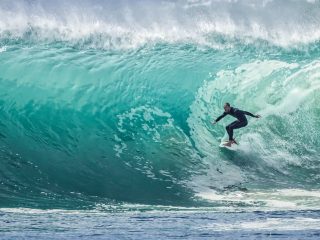
Faced with an 8-to-10-foot double-up wave pitching over shallow coral, an inexperienced surfer panicked. He turned toward the beach, and the wave broke directly on top of him, driving him onto the reef and forcing his legs into an extreme split, shattering his pelvic bone.
Dr. Chapman was on duty when they found him pinned on the reef.
“He had done the splits and was in big trouble,” recalls Dr. Chapman. “There was a lot going on, but he was in shock and he urgently needed Intensive Care. We couldn’t get a helicopter—they were all booked out flying tourists over Bali—so we had to do an immediate assessment, get him onto a truck, fill him up with painkillers and roll him out. It was touch and go. We never knew if he was going to make it to the hospital in Banyuwangi.”
He survived. The evacuation required a grueling truck drive through dense jungle tracks, a ferry crossing, and an eventual emergency airlift to Perth. But the close call proved that remote surf outposts desperately needed structured medical backup.
From Emergency Rescues to Tropical Medicine
Today, the work of the Surfing Doctors spans everything from life-threatening trauma to daily wilderness medicine. Deep reef cuts (“coral kisses”) that infect rapidly, sea urchin spine extractions, dehydration, and tropical diseases are standard routine for doctors on shift.
Every year, the team gathers back where it all started for the Surfing Doctors Annual Conference at G-Land. Surrounded by dense East Javanese jungle, emergency physicians and wilderness specialists present on niche, high-stakes topics:
- Musculoskeletal Injuries: Managing joint dislocations, spinal trauma, and open fractures in remote surf zones.
- Tropical Medicine & Toxidromes: Treating malaria, infectious diseases of the tropics, and systemic reactions to marine stings and bites.
- Marine Envenomations & Eye Trauma: Emergency protocols for stingray, stonefish, and sea snake envenomations, as well as blunt force eye injuries from surfboard fins and hydraulic wave pressure.
- Drowning & Resuscitation: Reviewing field cases, near-drowning protocols, and point-of-care resuscitation techniques without standard hospital equipment.
What Surfers Should Take Away
While having a doctor on-site at major surf resorts is a massive safety net, Dr. Chapman emphasizes that surfers heading off the grid need to take personal responsibility:
- Verify Your Evacuation Coverage: Standard travel insurance rarely covers remote marine or helicopter evacuations. Make sure your policy explicitly includes medevac operations.
- Pack Beyond the Basics: Skip basic Band-Aids. Carry a comprehensive kit with suture materials, pressure bandages, broad-spectrum antibiotics, and rehydration salts.
- Learn Basic Life Support (BLS): If a buddy suffers a near-drowning or head trauma in the lineup, knowing CPR and basic stabilization buys the crucial minutes needed before professional medical help arrives.
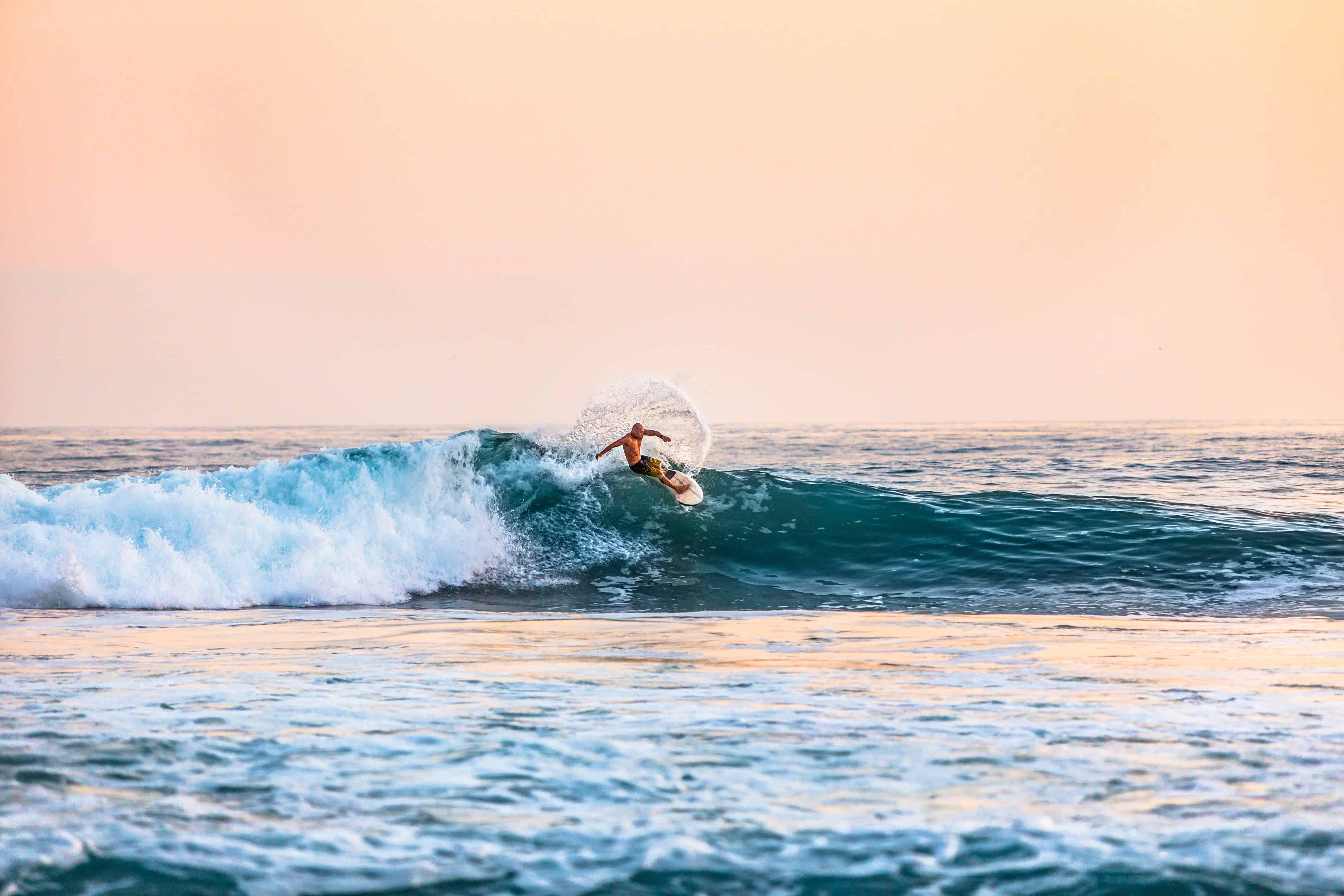
Photo by Teddy Kelley